
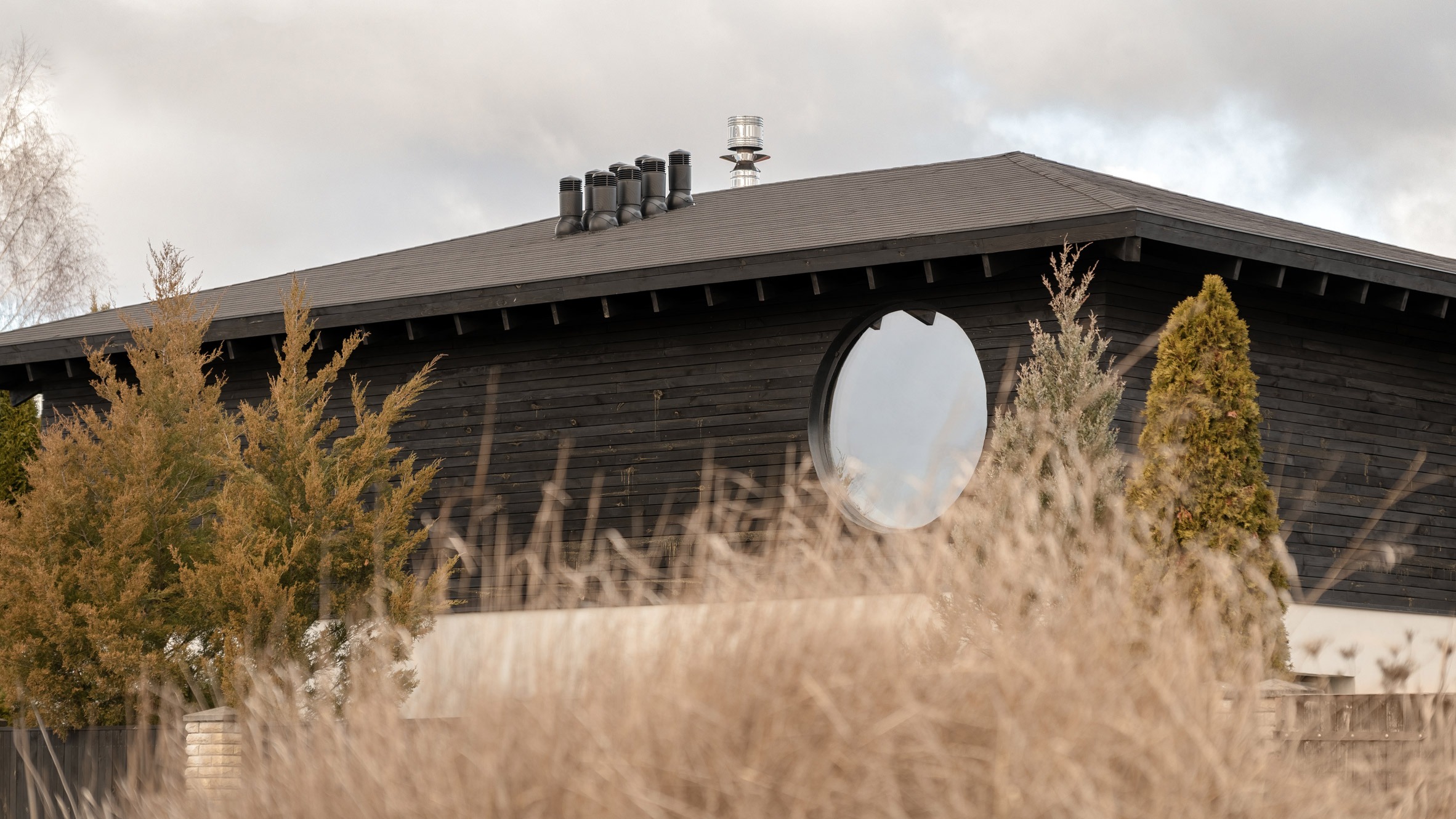
Dzen House: Japanese calm, Ukrainian memory
- Shovk Project
- Photographs by Yevhenii Avramenko
On the outskirts of Kyiv, Shovk Studio transforms a two-storey house into a serene refuge where technology is at the service of peace. The intervention – a renovation with the vocation of a “house-sanctuary” – reduces the formal gesture and refines the relationship with the coniferous garden that surrounds the plot. The objective is not to exhibit resources, but to organize light, matter and silence in order to favor a more leisurely life.
Spatial strategy
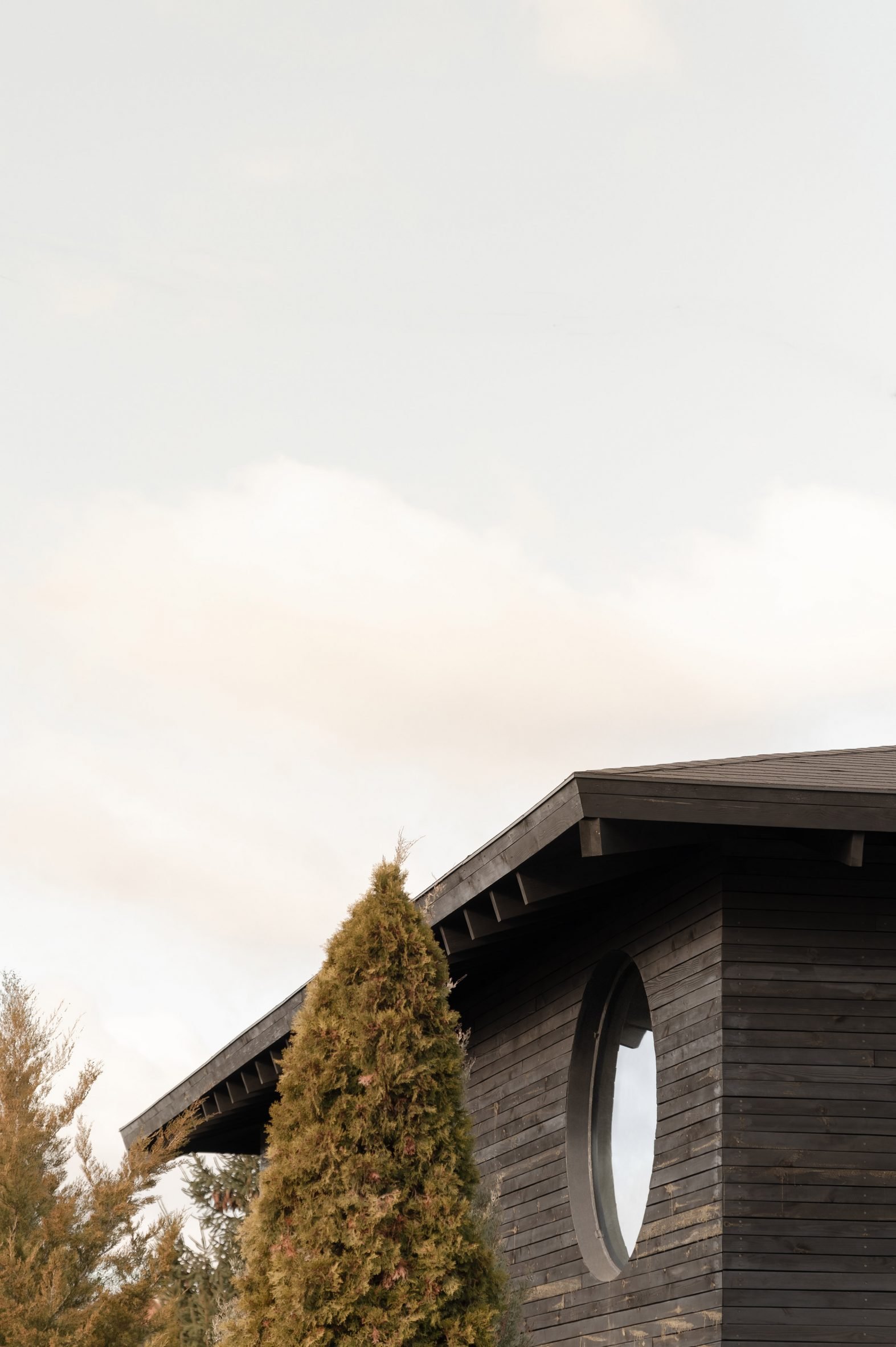
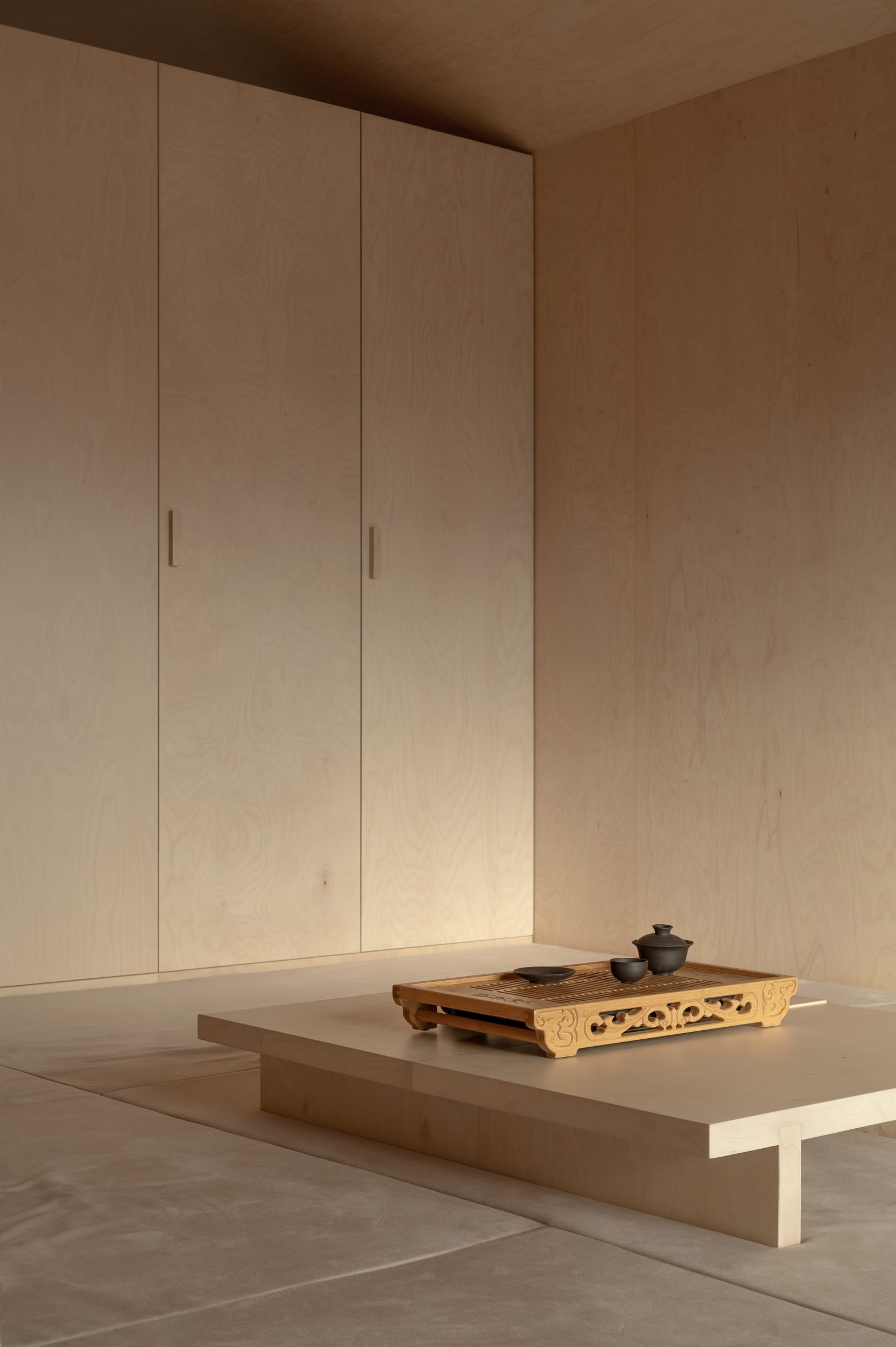
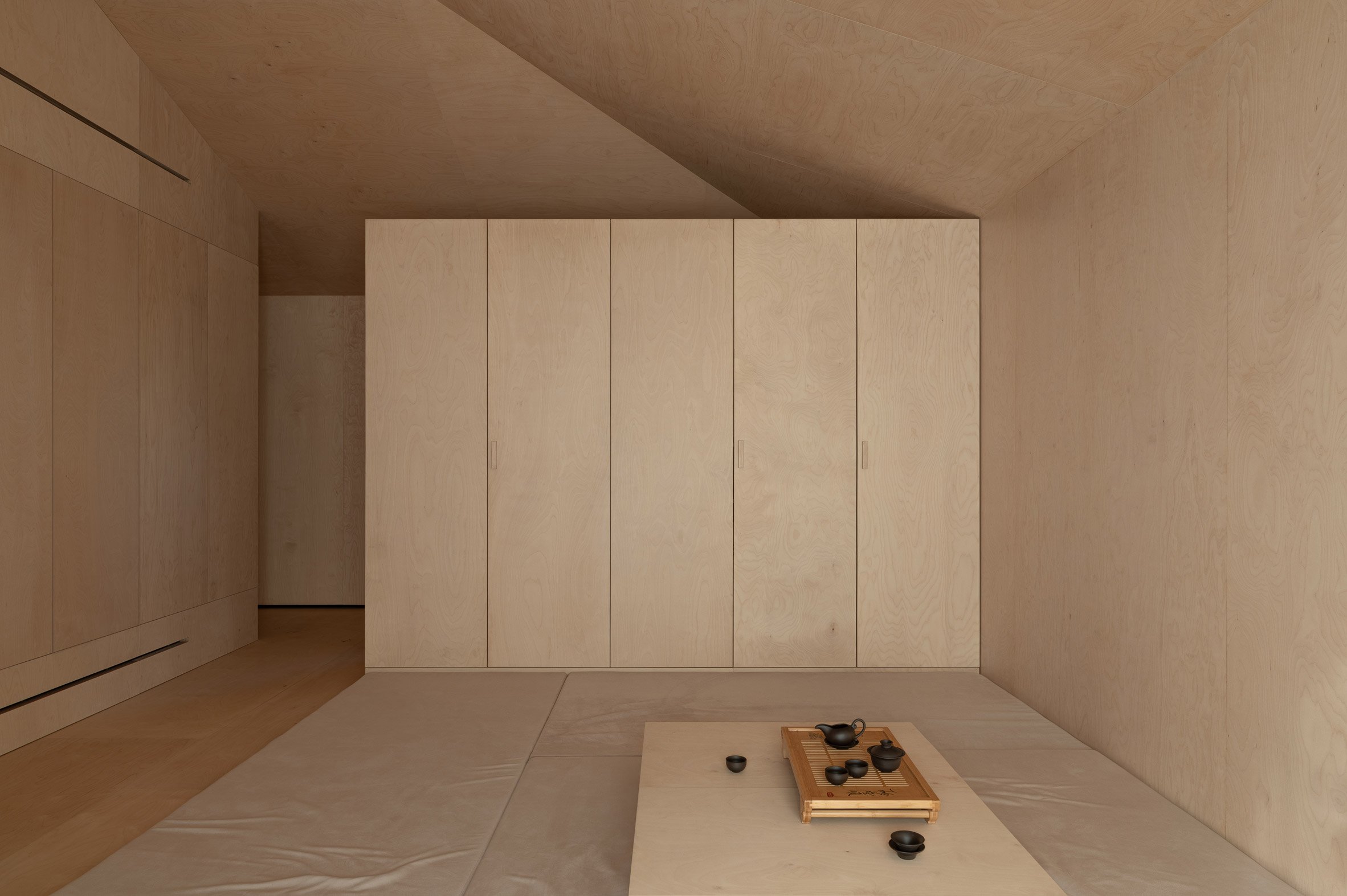
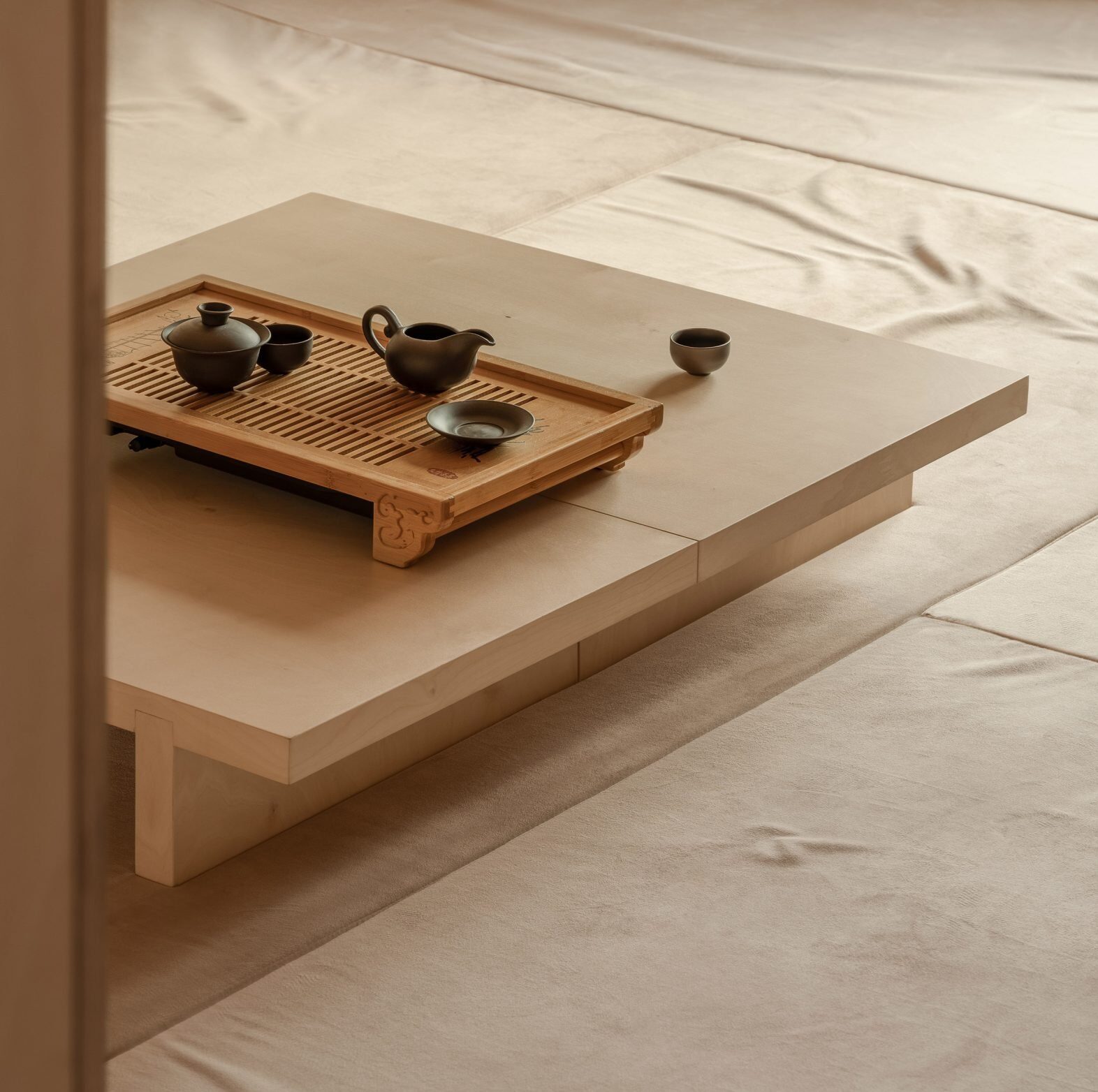
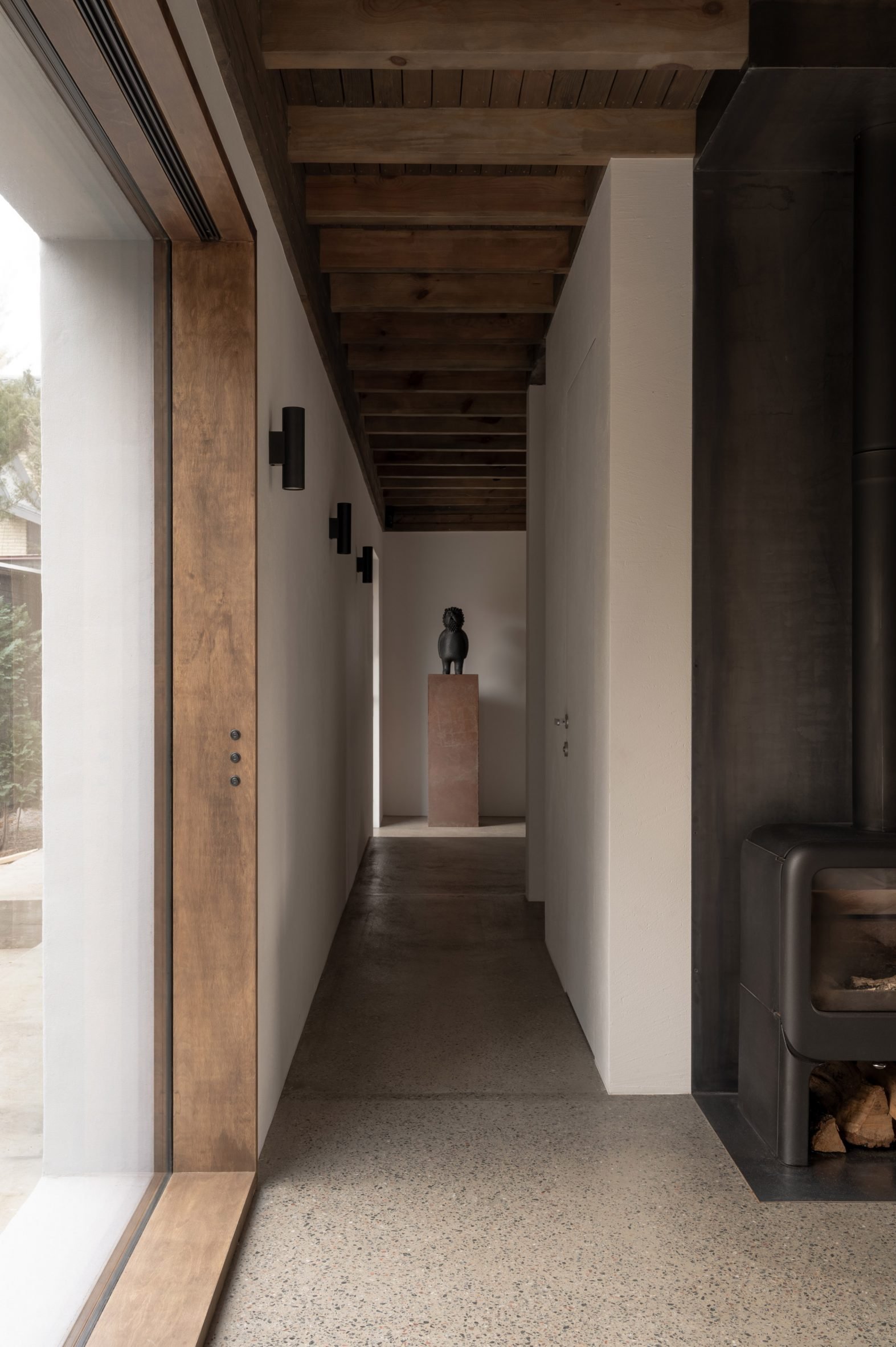
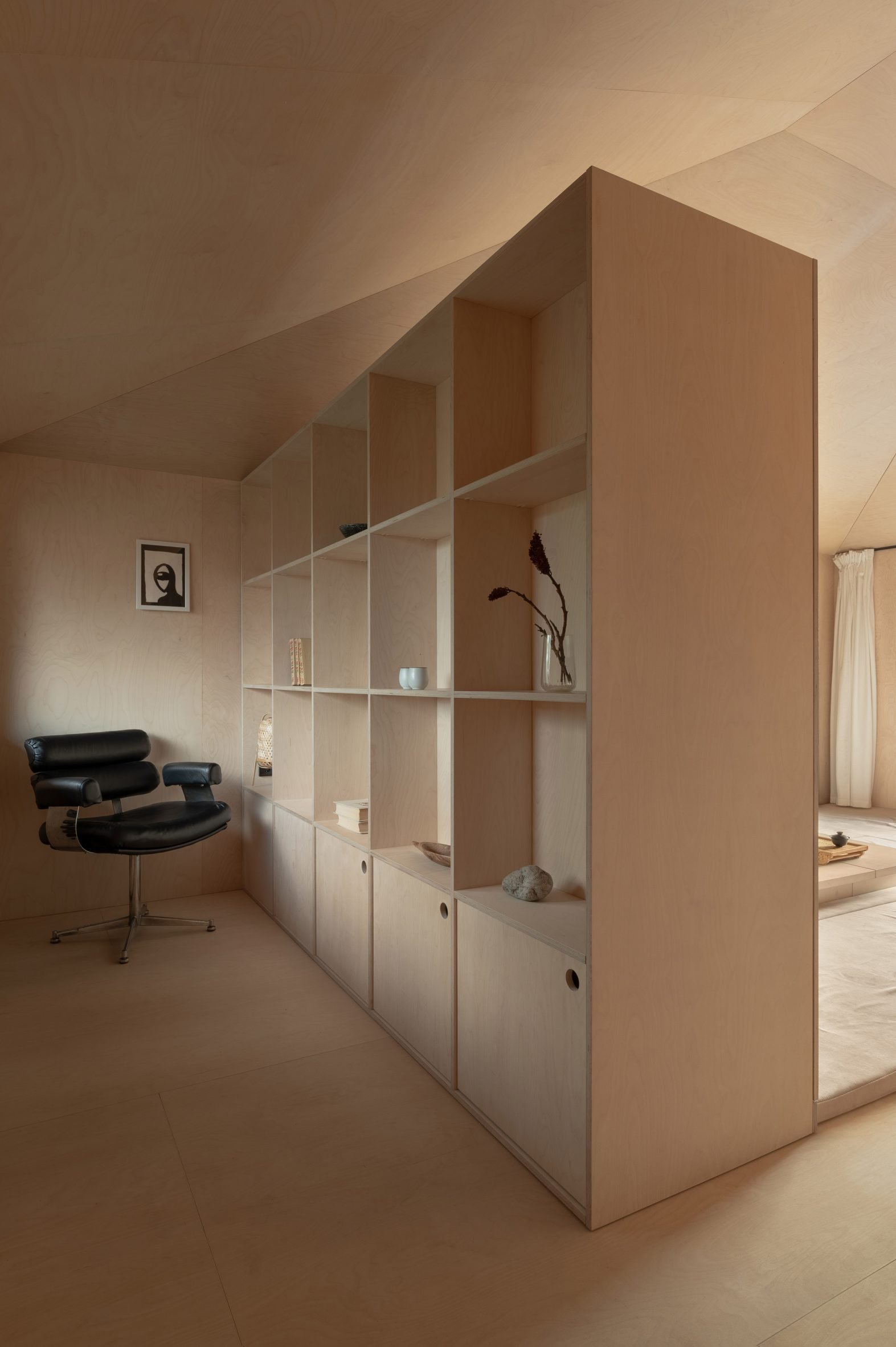
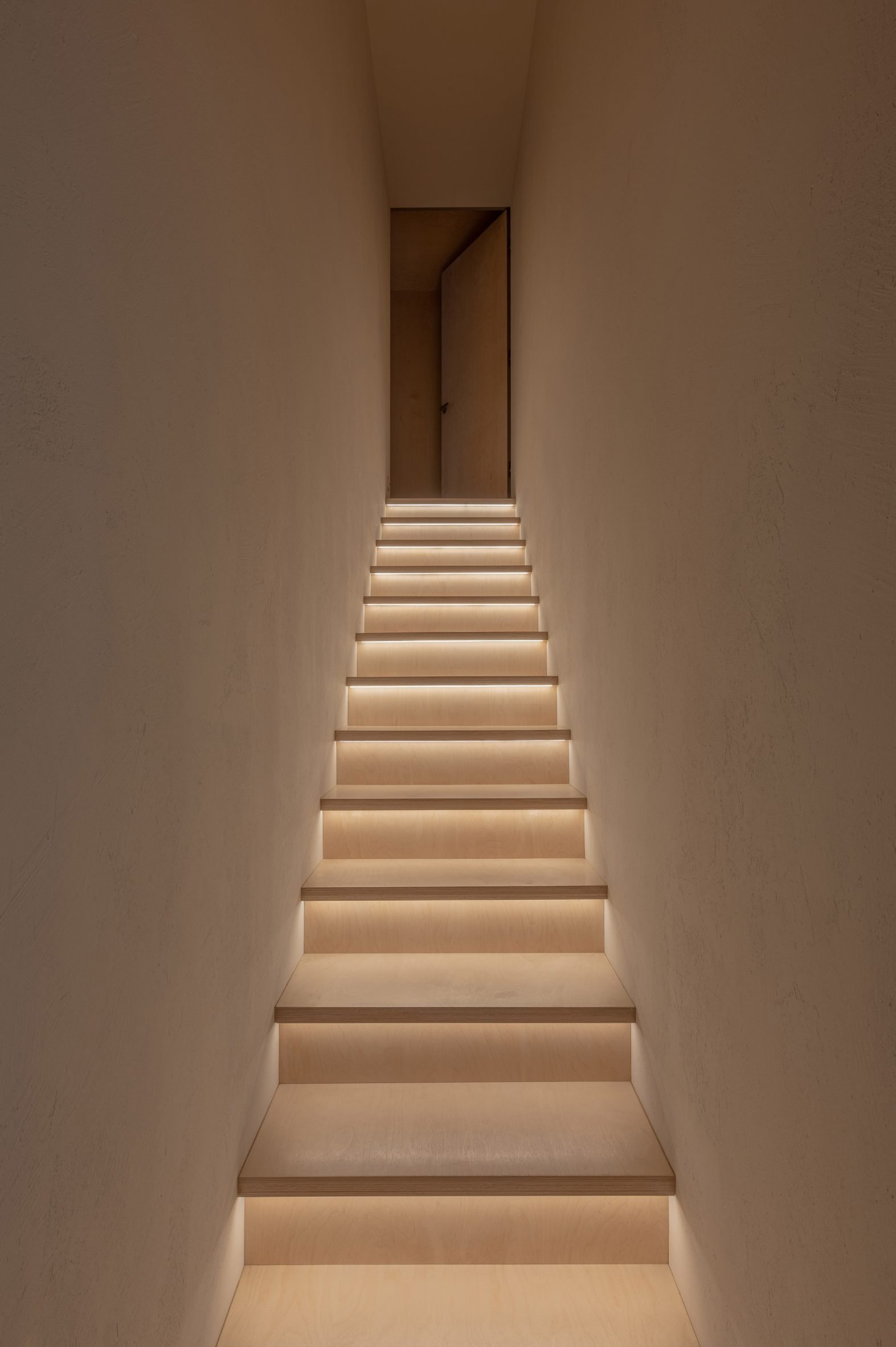
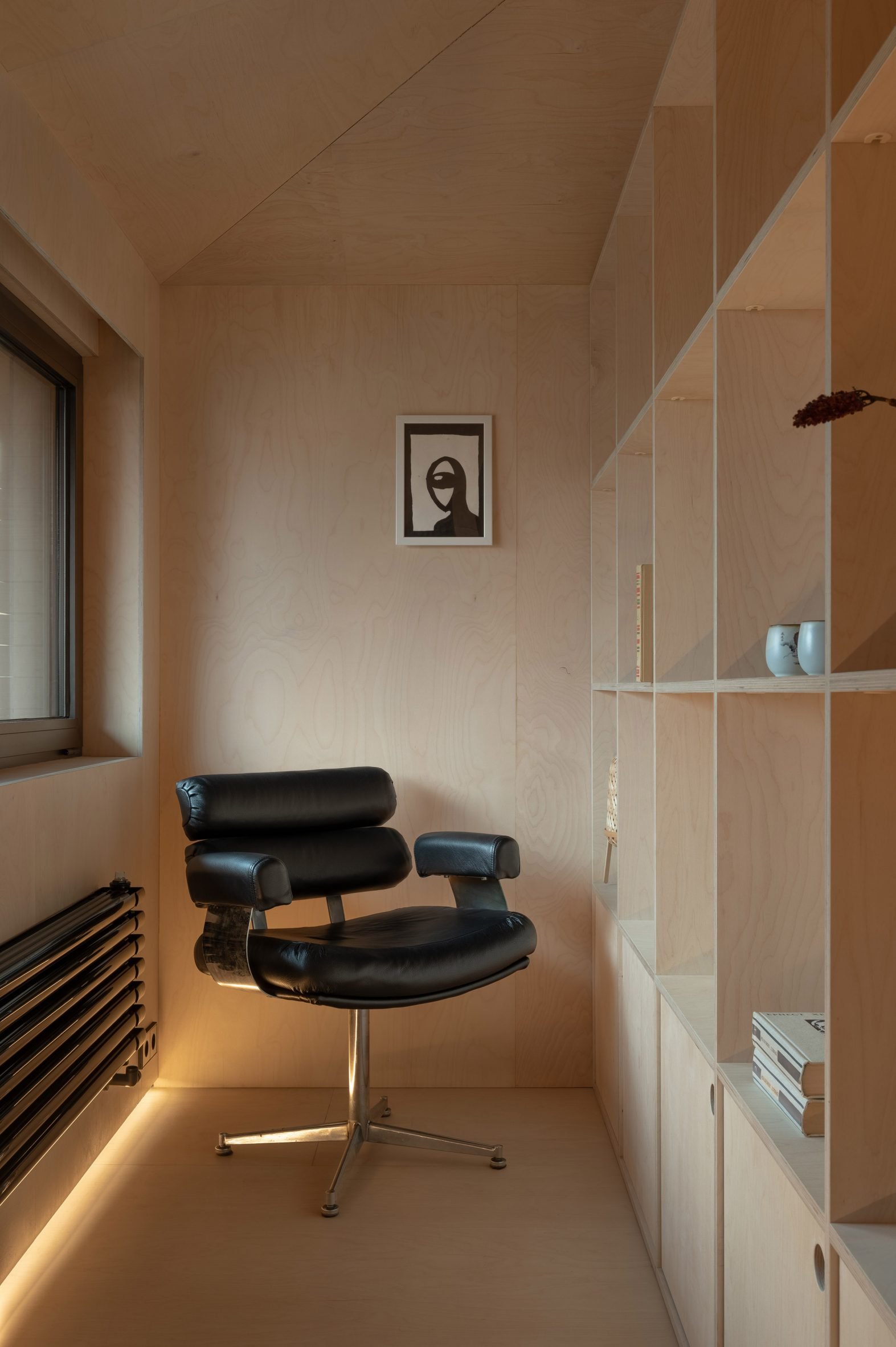
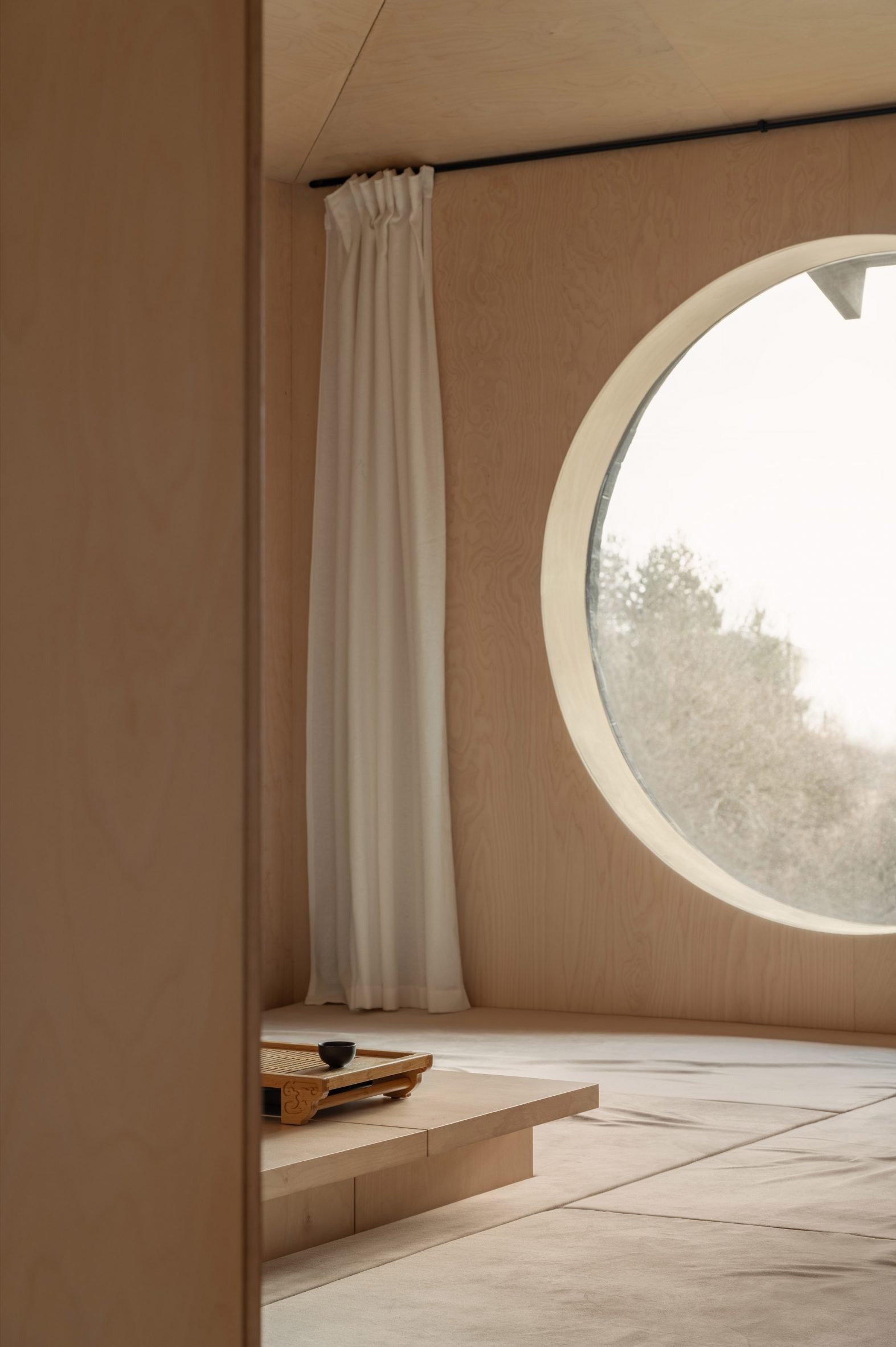
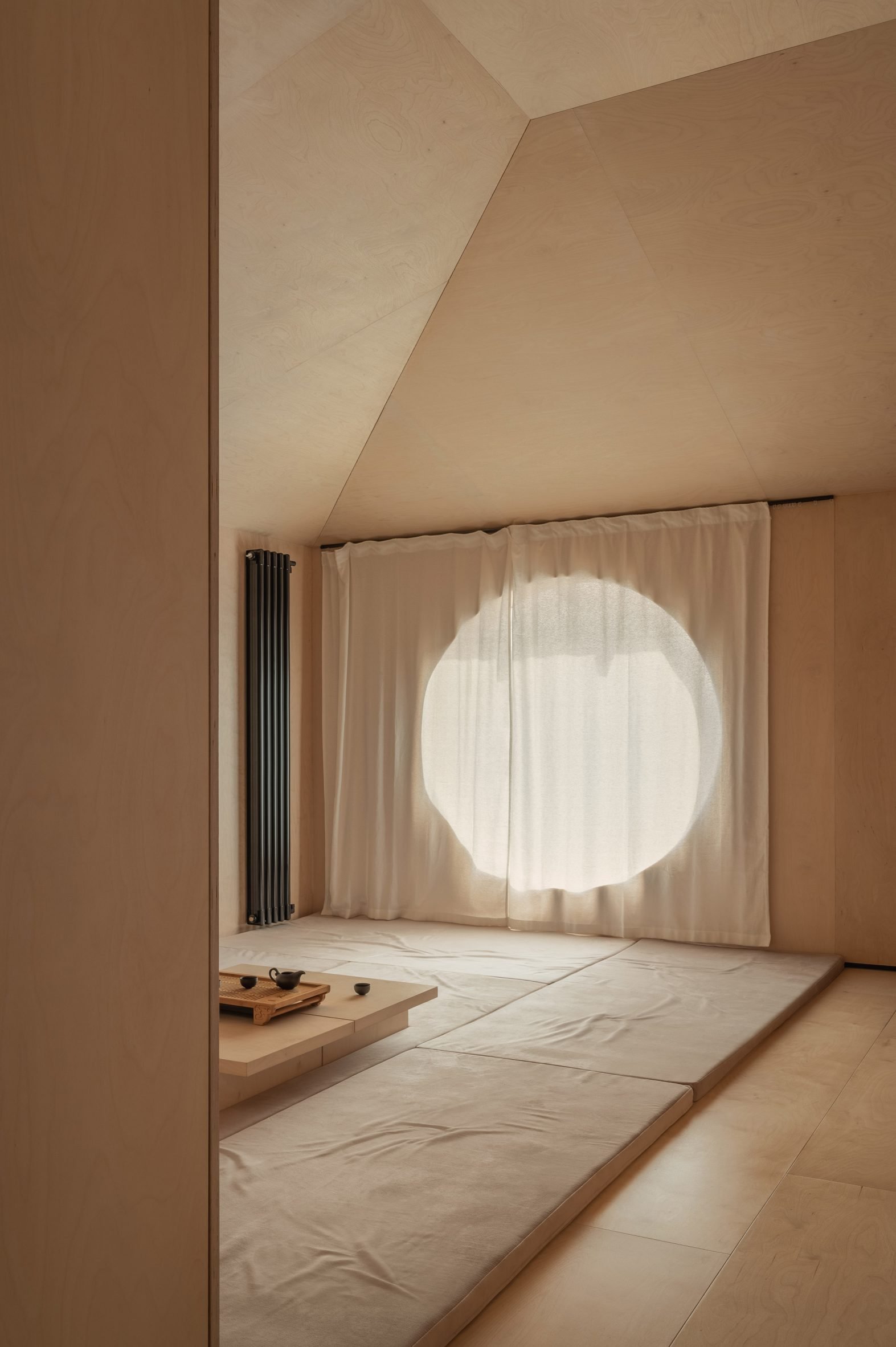
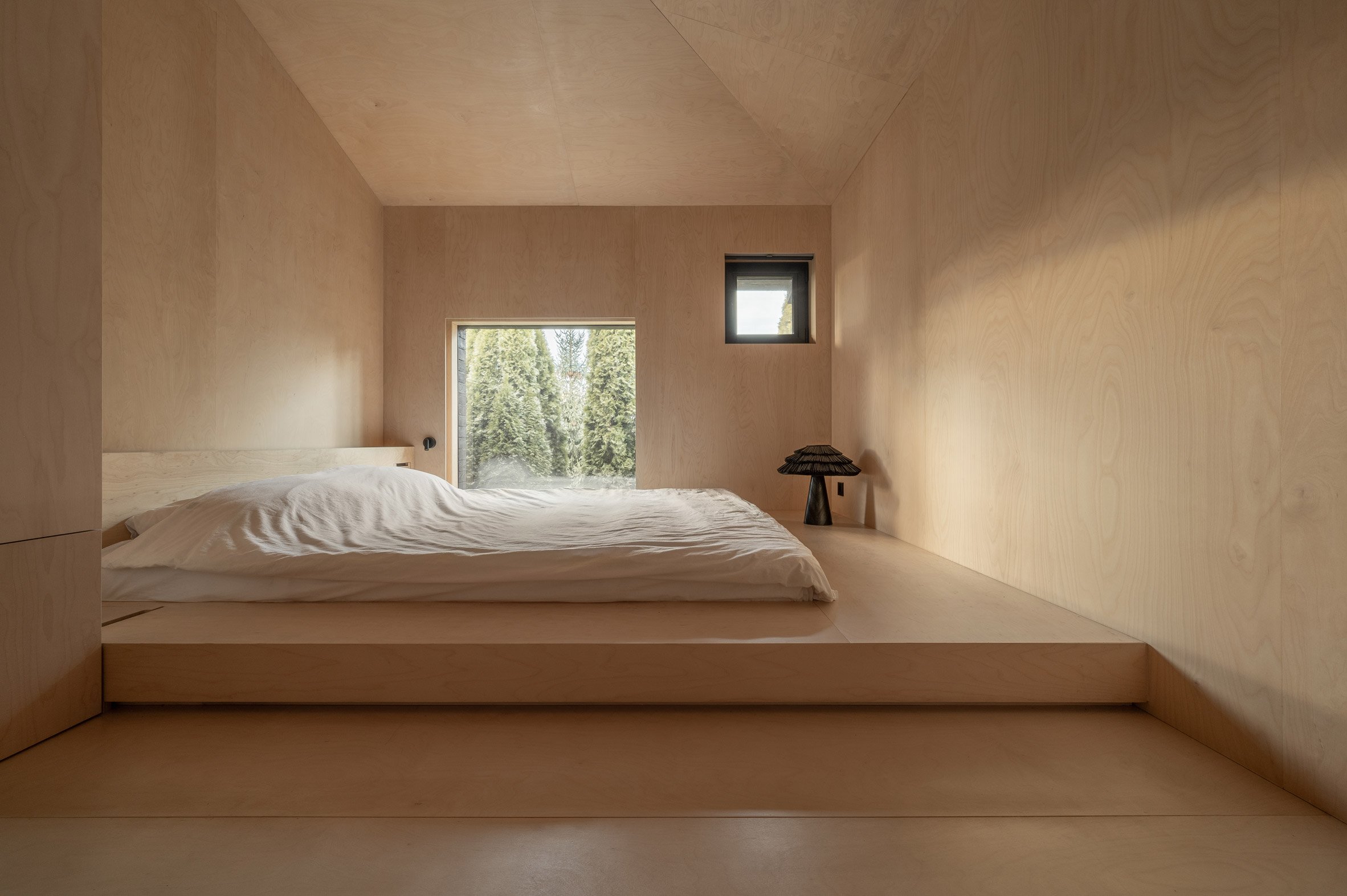
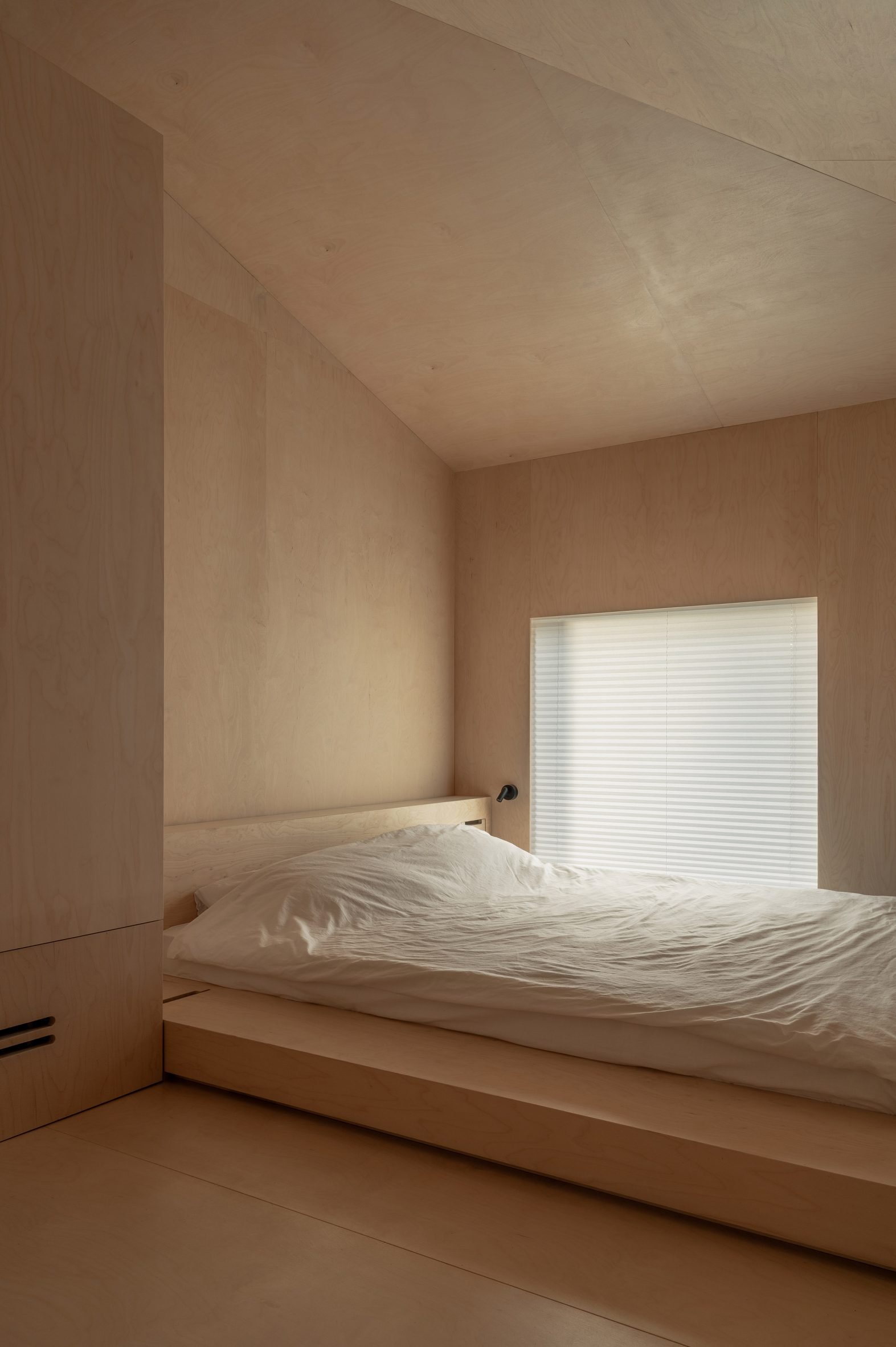
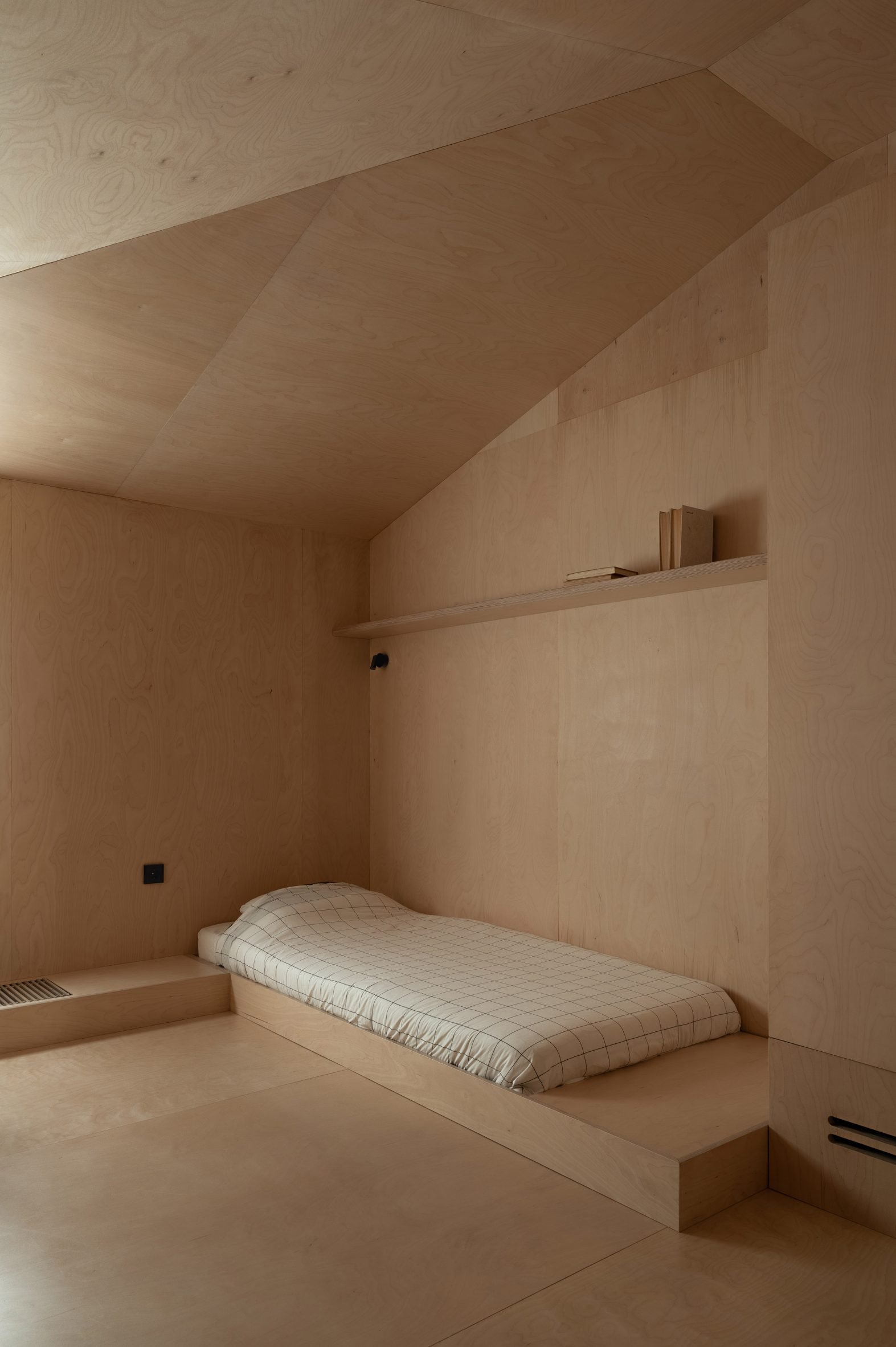
The first floor concentrates the common rooms (kitchen and living room) around a compact core that houses the staircase, bathroom and facilities. This technical heart frees the perimeter and allows to circulate around it naturally, gaining visual continuity without losing privacy. On the upper floor, two bedrooms, a study and a small meditation area with a tatami mat and circular oculus complete the program; the master bedroom is organized around a podium bed under a large glass panel.
Materiality: between mazanka and kisugi
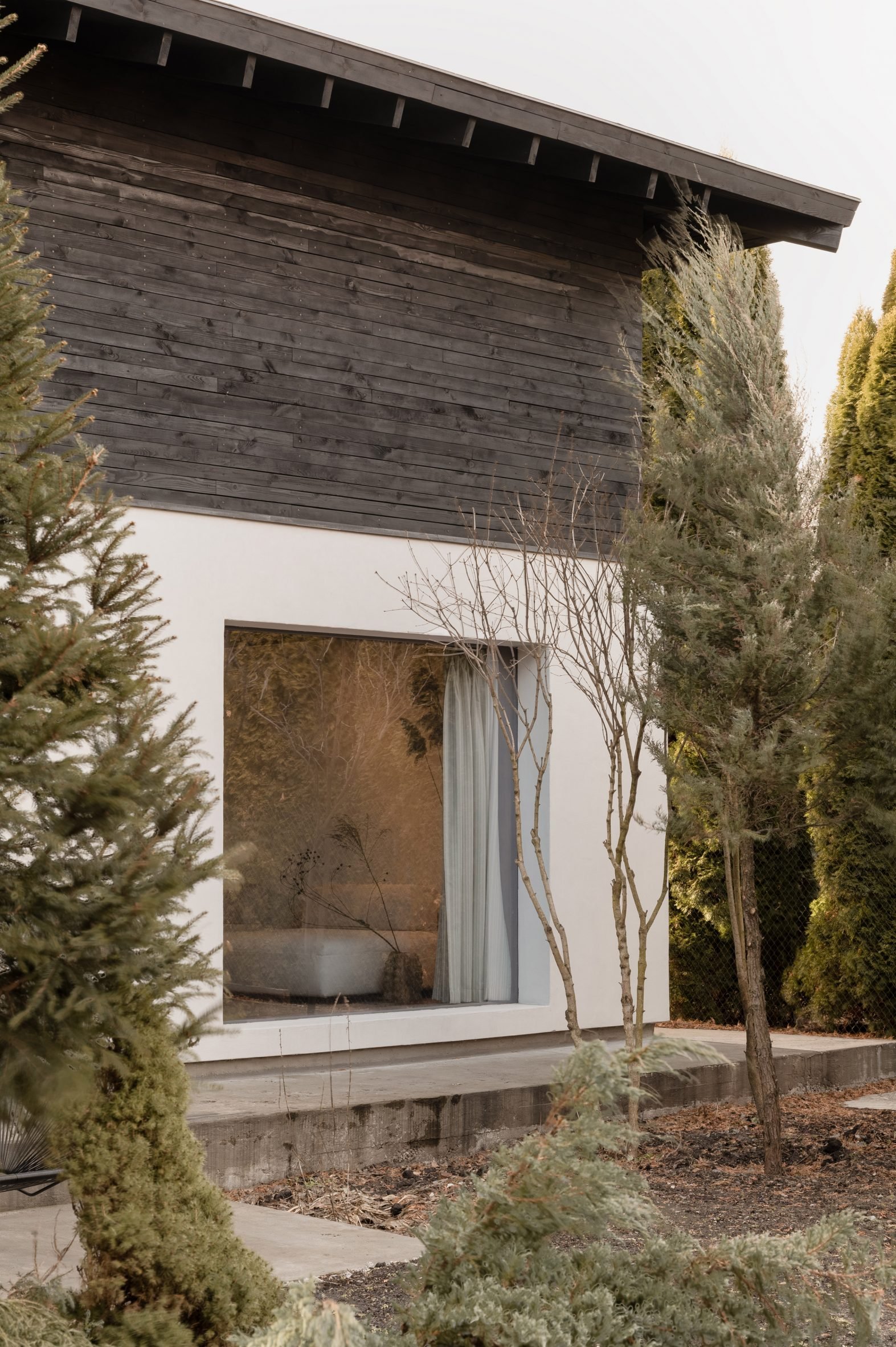
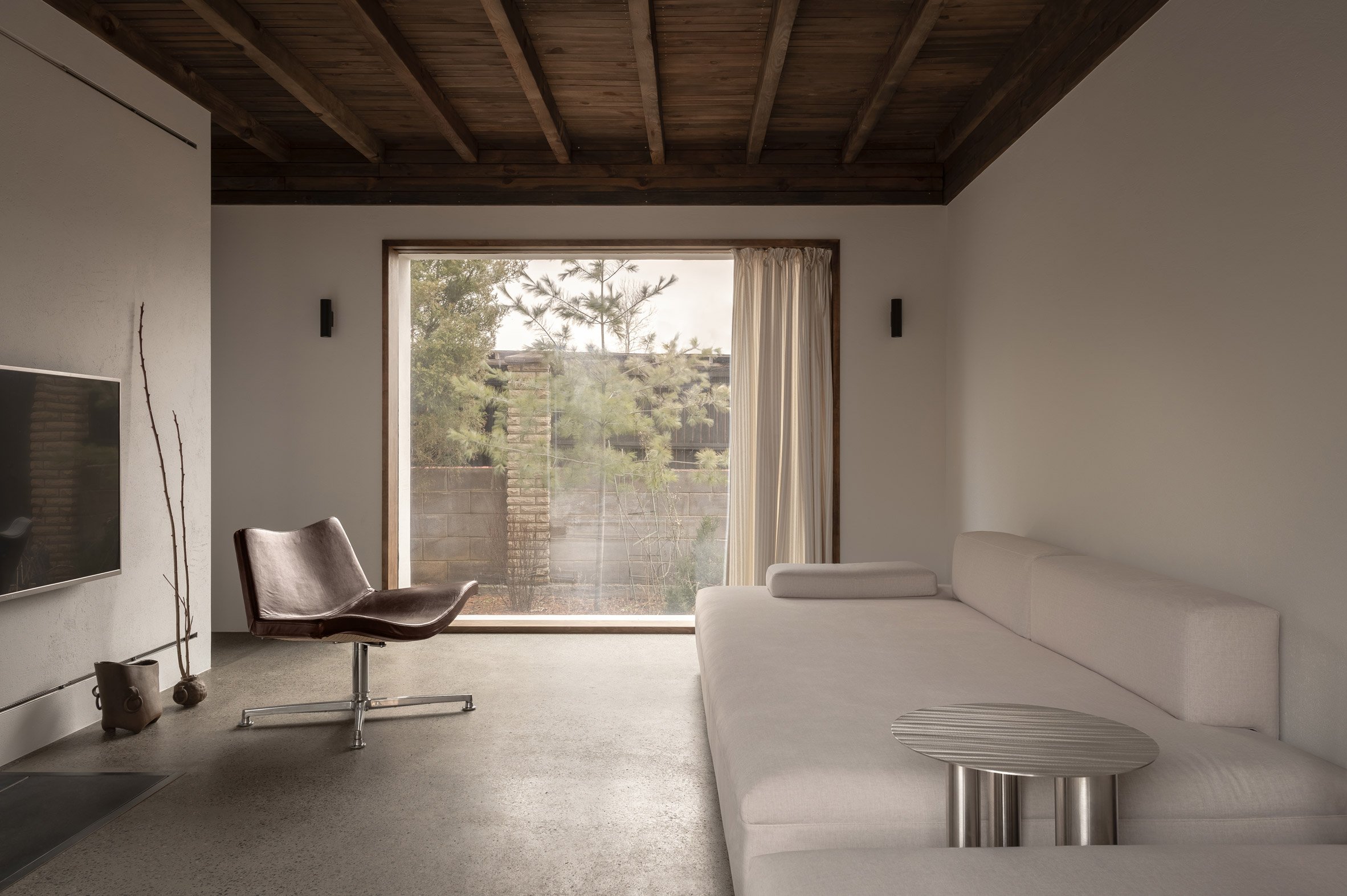
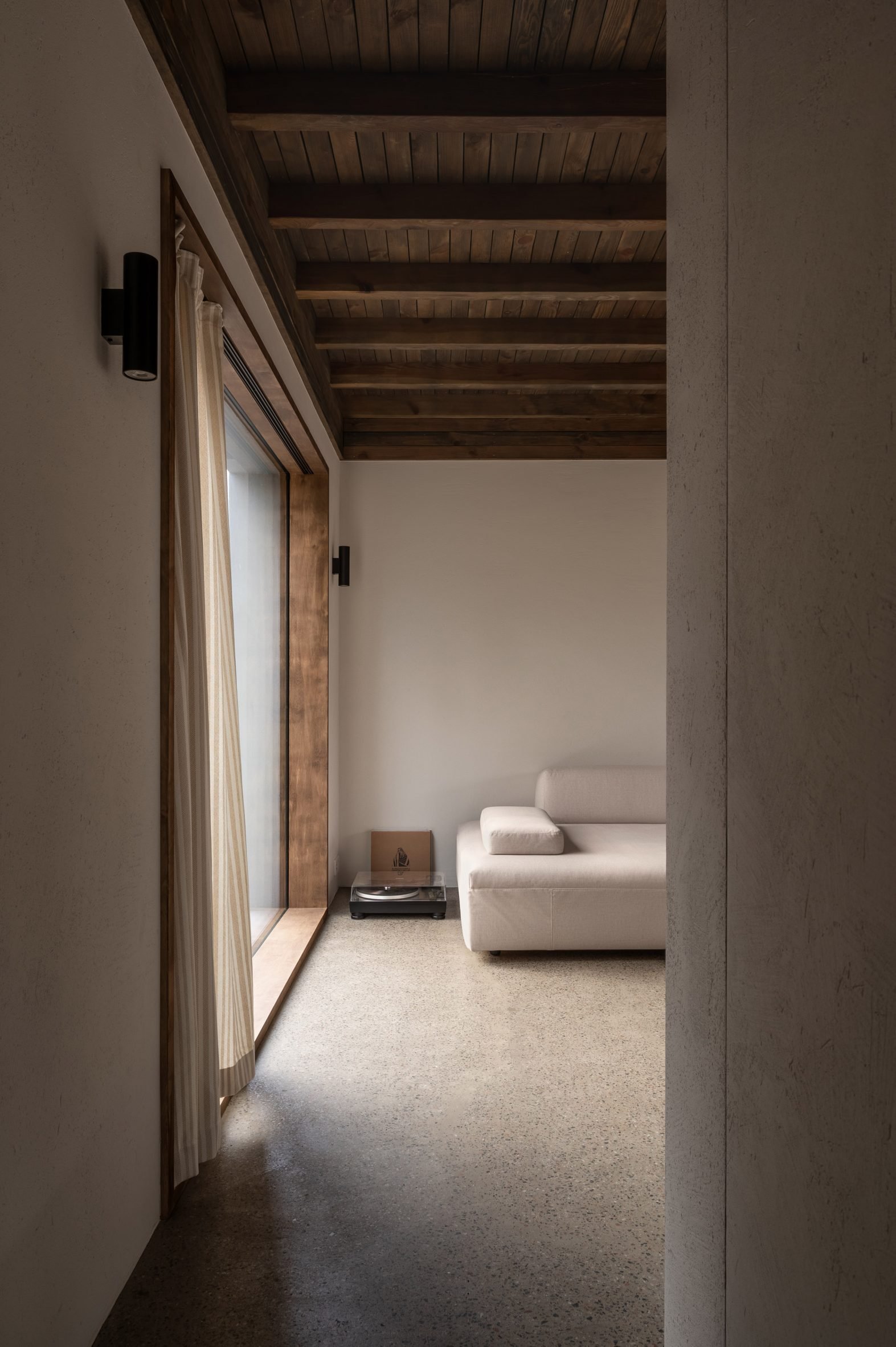
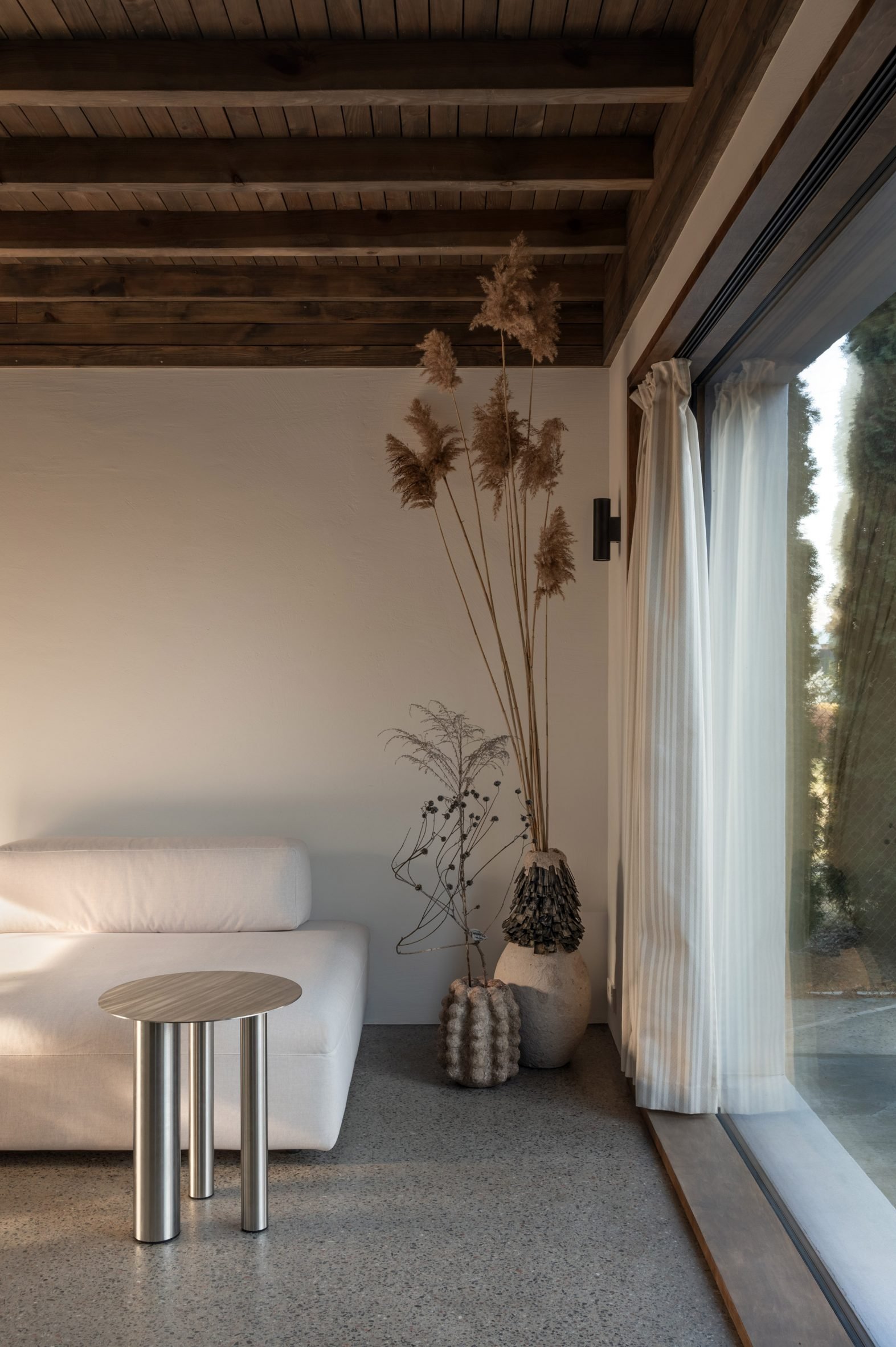
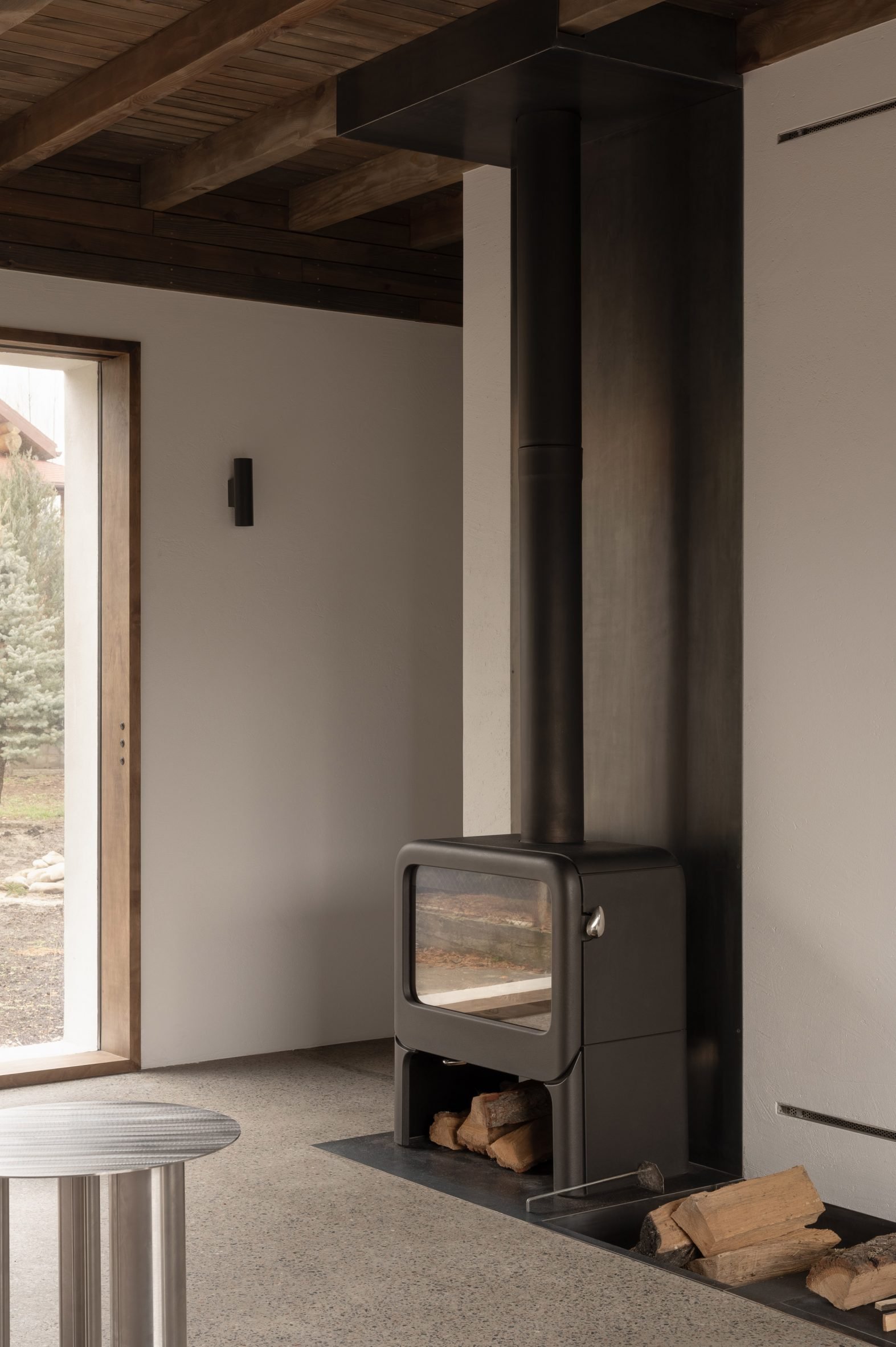
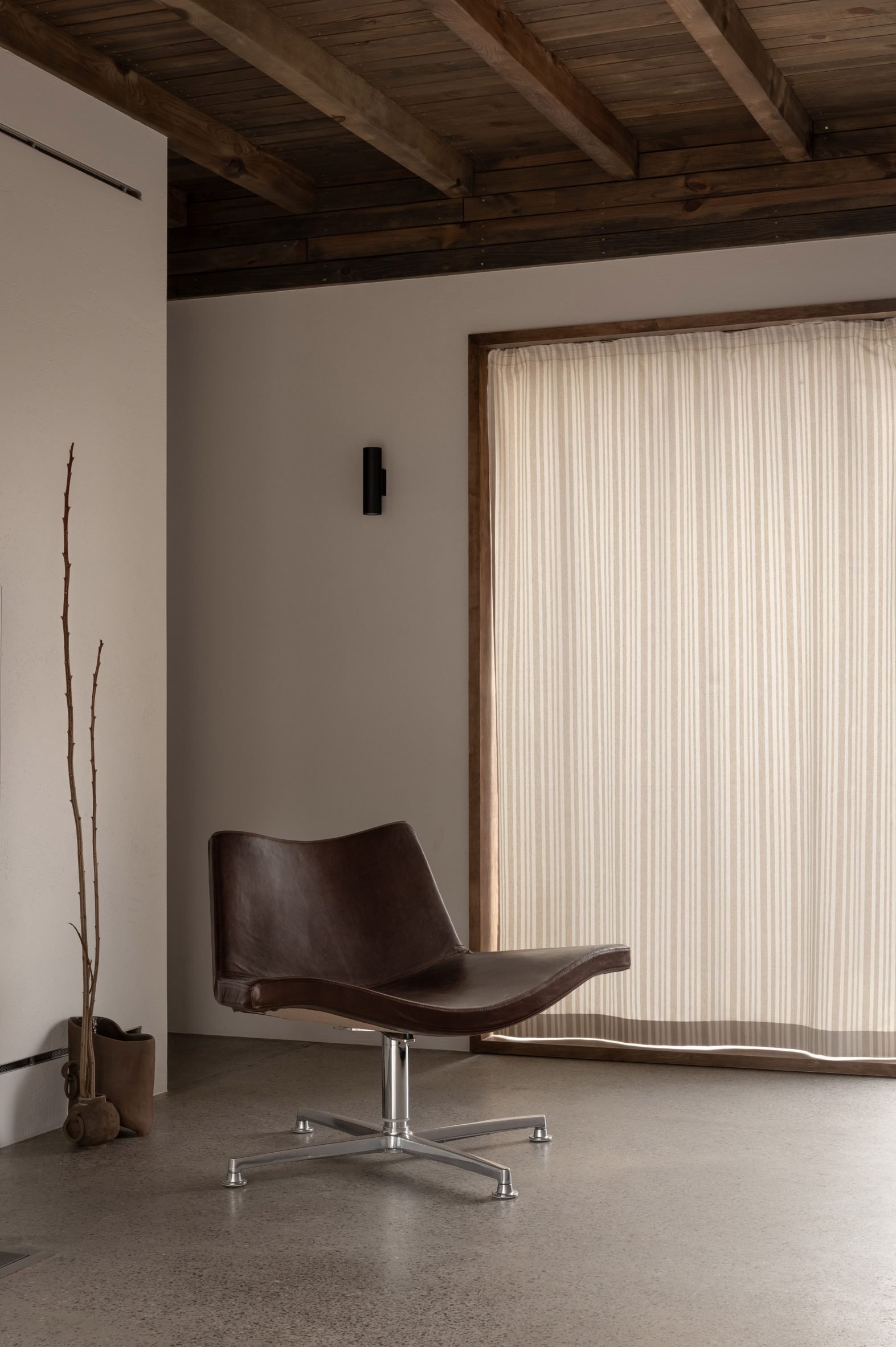
The project underscores a precise cultural dialogue. On the lower level, the rough mazanka plaster – an echo of Ukrainian rural architecture – adds tactile density. In the attic, the kisugi (shou sugi ban) treated wood cladding and the exposed structure of the large skirt are reminiscent of Japanese tradition. The mix is not decorative: it articulates layers of weather and use (hard outside, warm inside) and adjusts maintenance to a climate marked by seasonal extremes.
Light, garden and environmental comfort
The relationship with the exterior is resolved by means of floor-to-ceiling glazed panels in the areas of frequent use, which integrate the nearby pine forest without turning the interior into a showcase. The concrete slab on the first floor accumulates and releases heat from an integrated heating system, prioritizing body comfort over air overheating; a ventilation system renews the environment with stable temperatures. In the tatami room, the oculus frames the rain falling from the eaves, reminding us that here the climate is also a project matter.
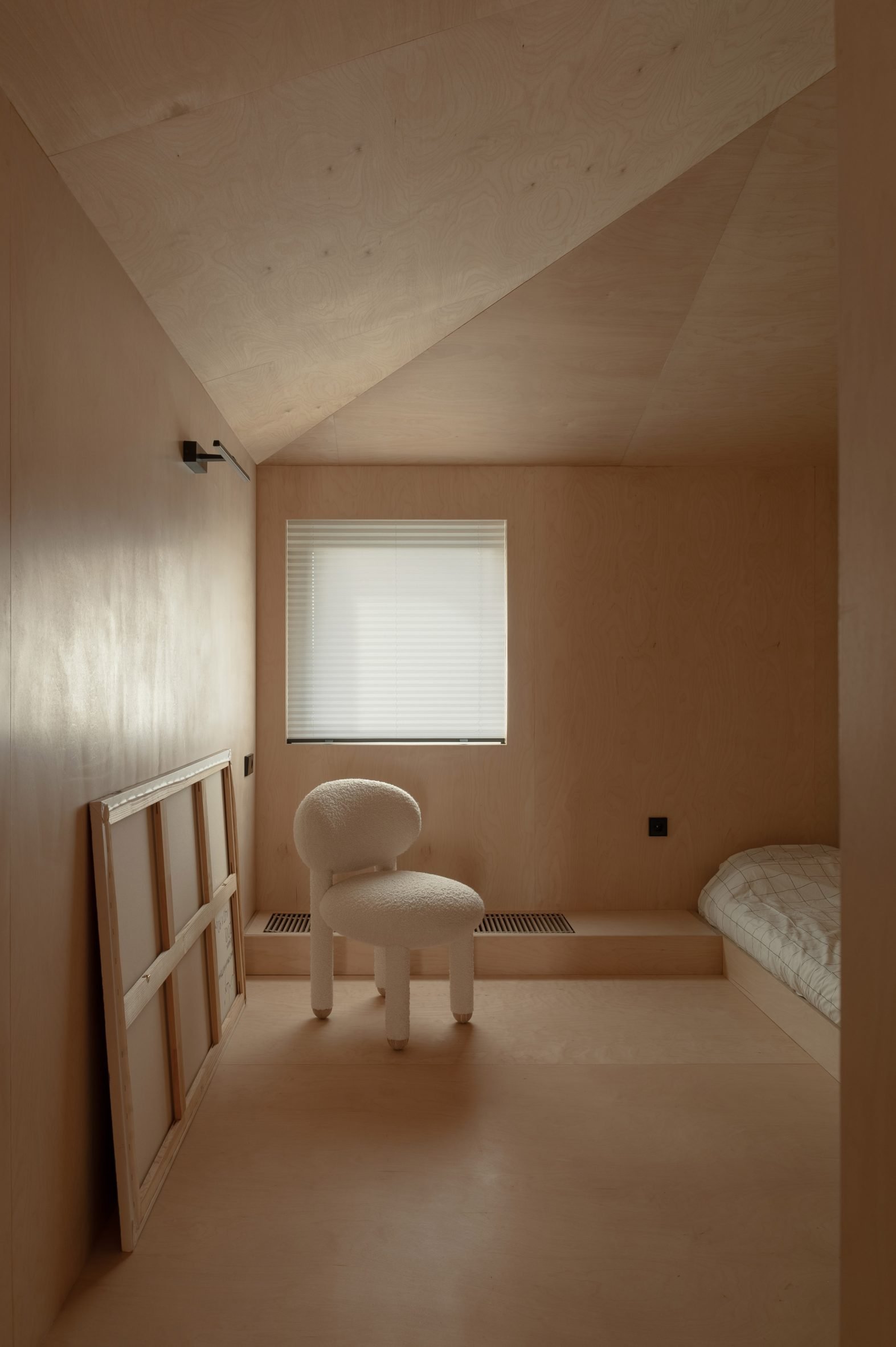
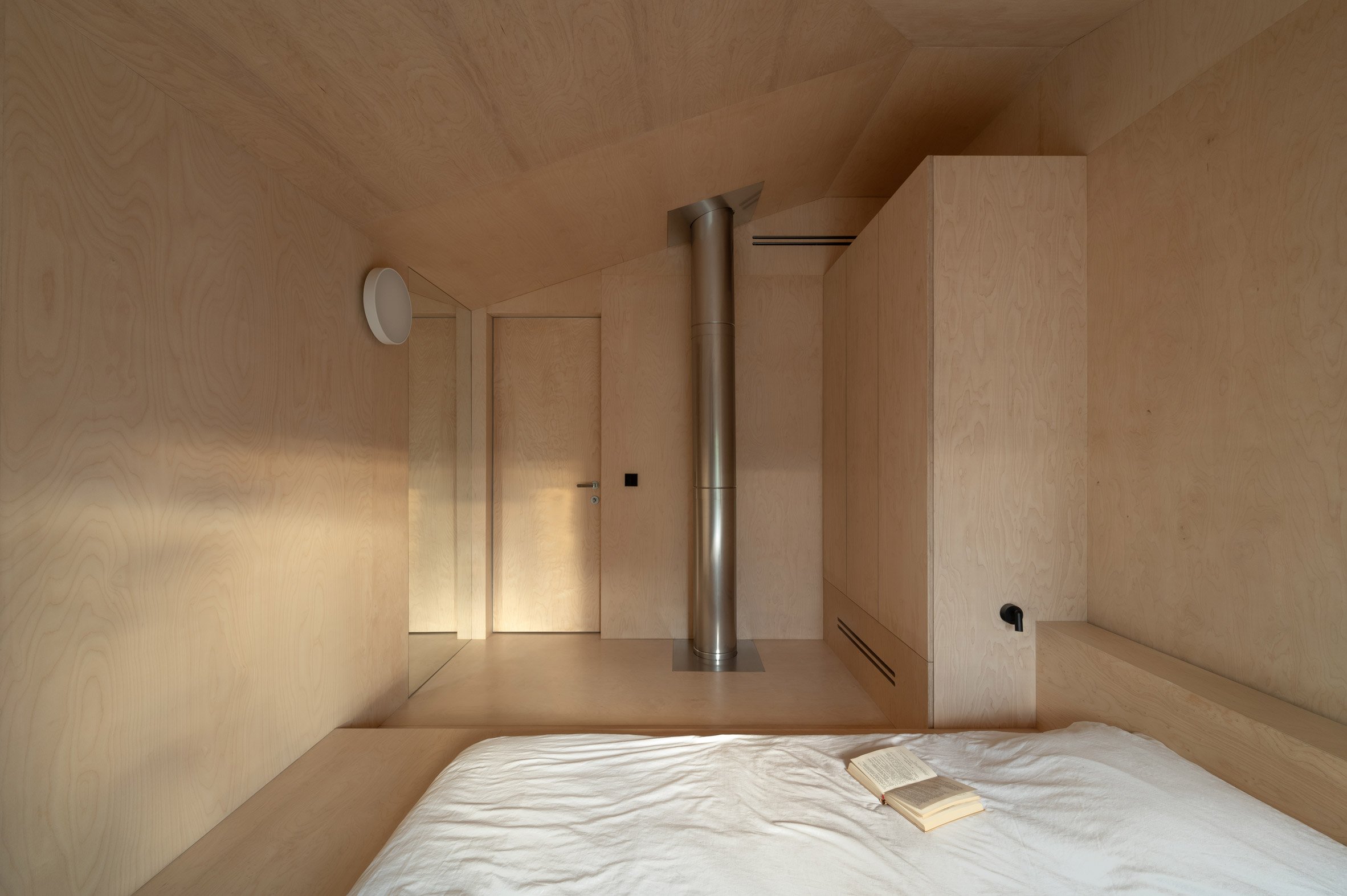
Detail, measure and character
Rather than adding surfaces, the work simplifies: it cleans encounters, refines sections and lets the structure set the order. The light wood carpentry in the interior balances the rawness of the plaster and the patina of the charred wood on the façade. The result is a precise domestic architecture, where every technical decision – from the thickness of the plaster to the module of the plank – pursues the same goal: to reduce noise and make the place legible.
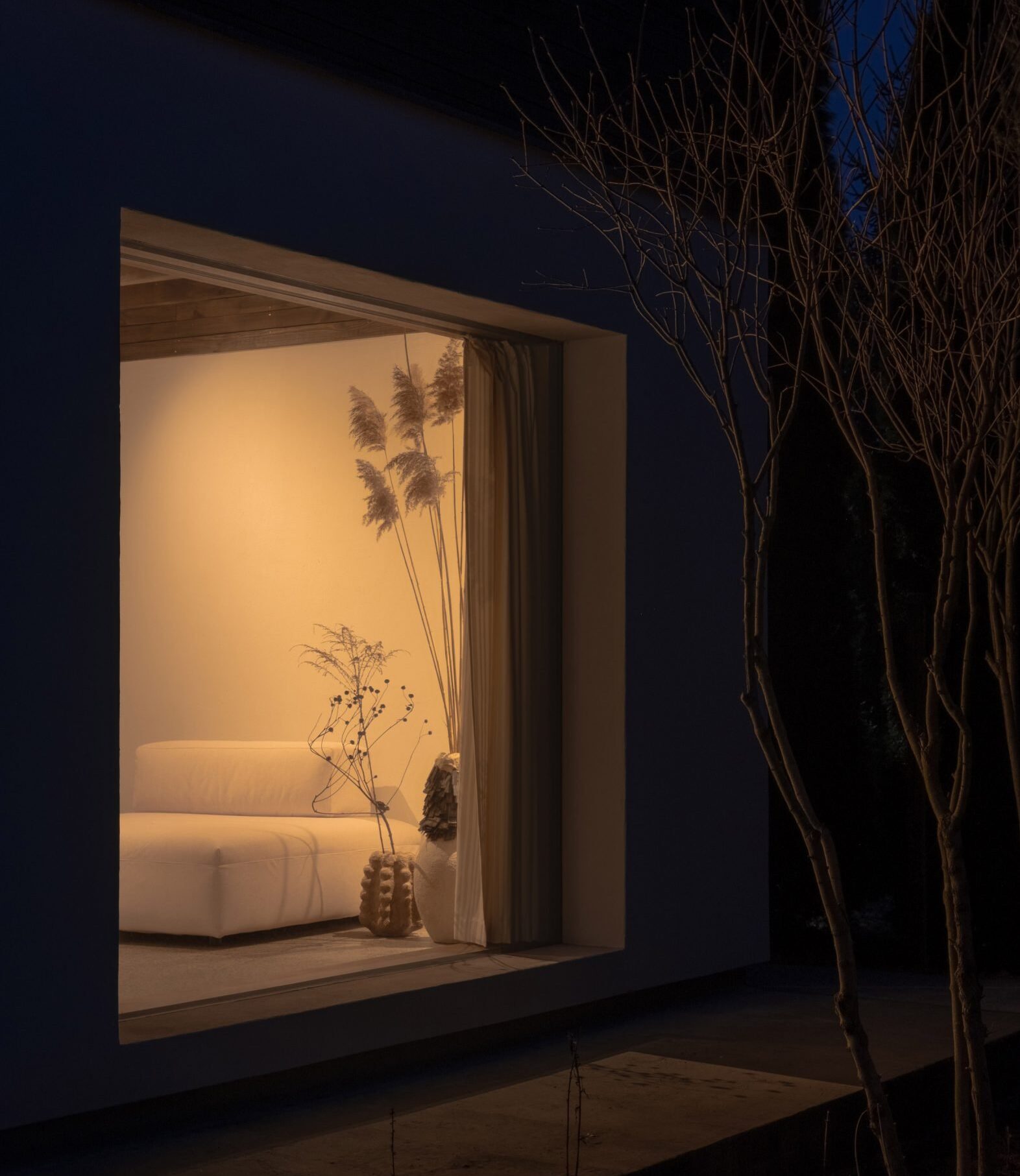
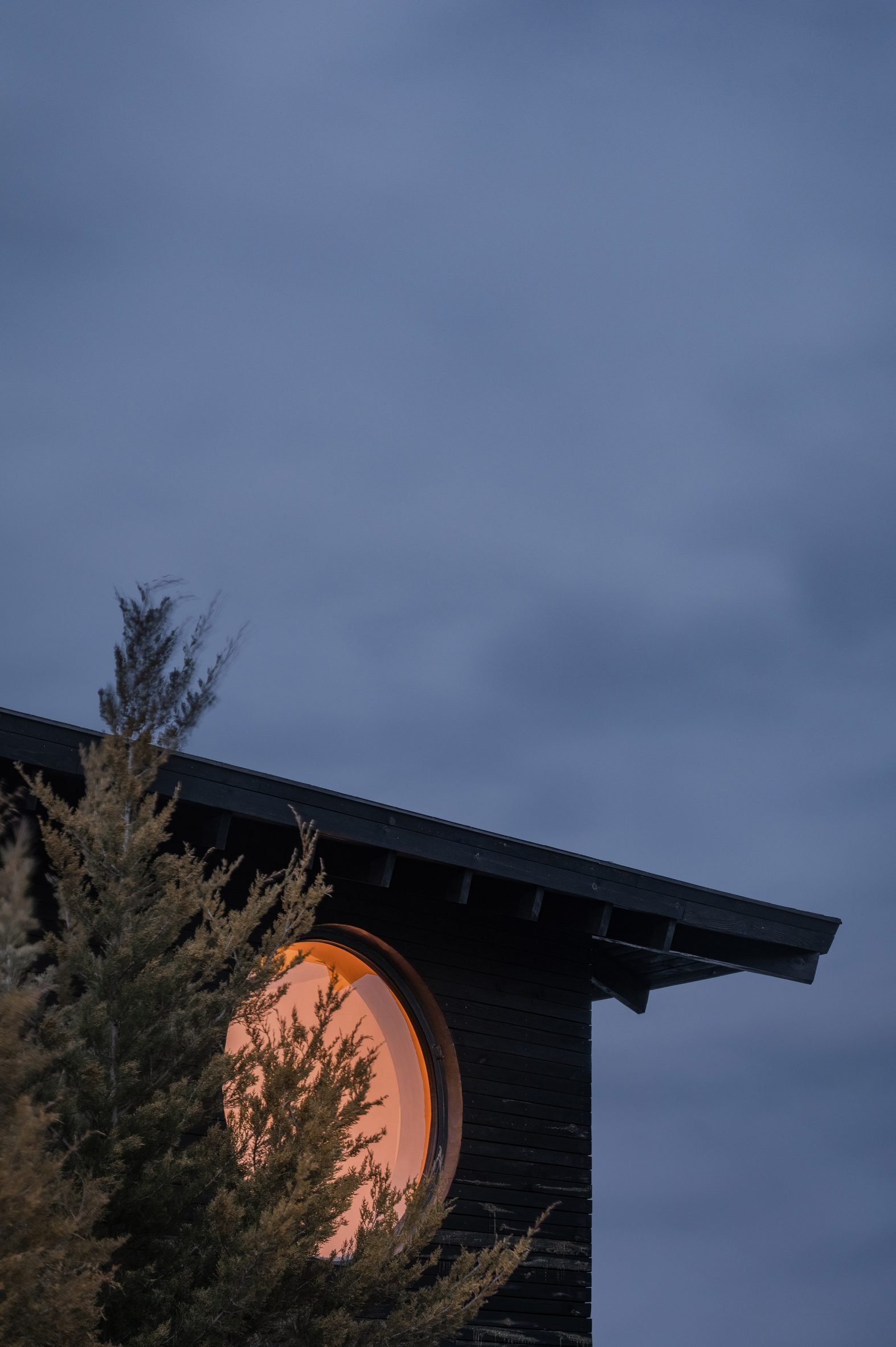
A fusion without folklore
Dzen House neither “imitates” Japan nor “freezes” the traditional Ukrainian: it assembles both legacies in a contemporary language that privileges use and time. In its discretion there is a statement: the house as a tool for stillness, fine-tuned from the construction. Architecture that takes care of the breath of the day -and of those who inhabit it.
He continues to explore projects where technique, landscape and calm meet to redefine everyday living with House Between Two Rivers: an incision in the terrain.