
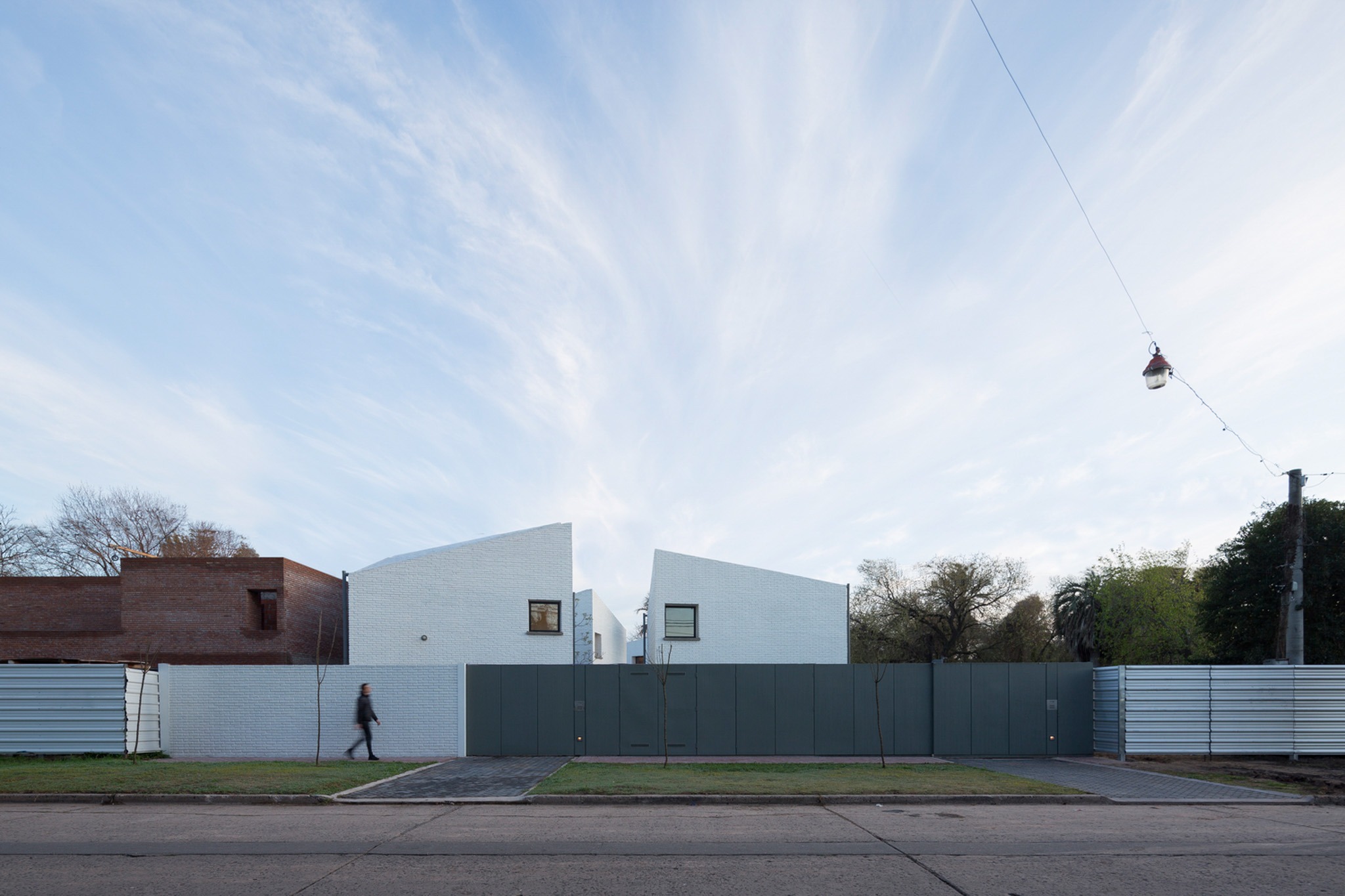
Morrison Building: collective housing that respects the suburbs
- Architecture: BBOA - Balparda Brunel Architecture Office
- Photography: Javier Agustín Rojas
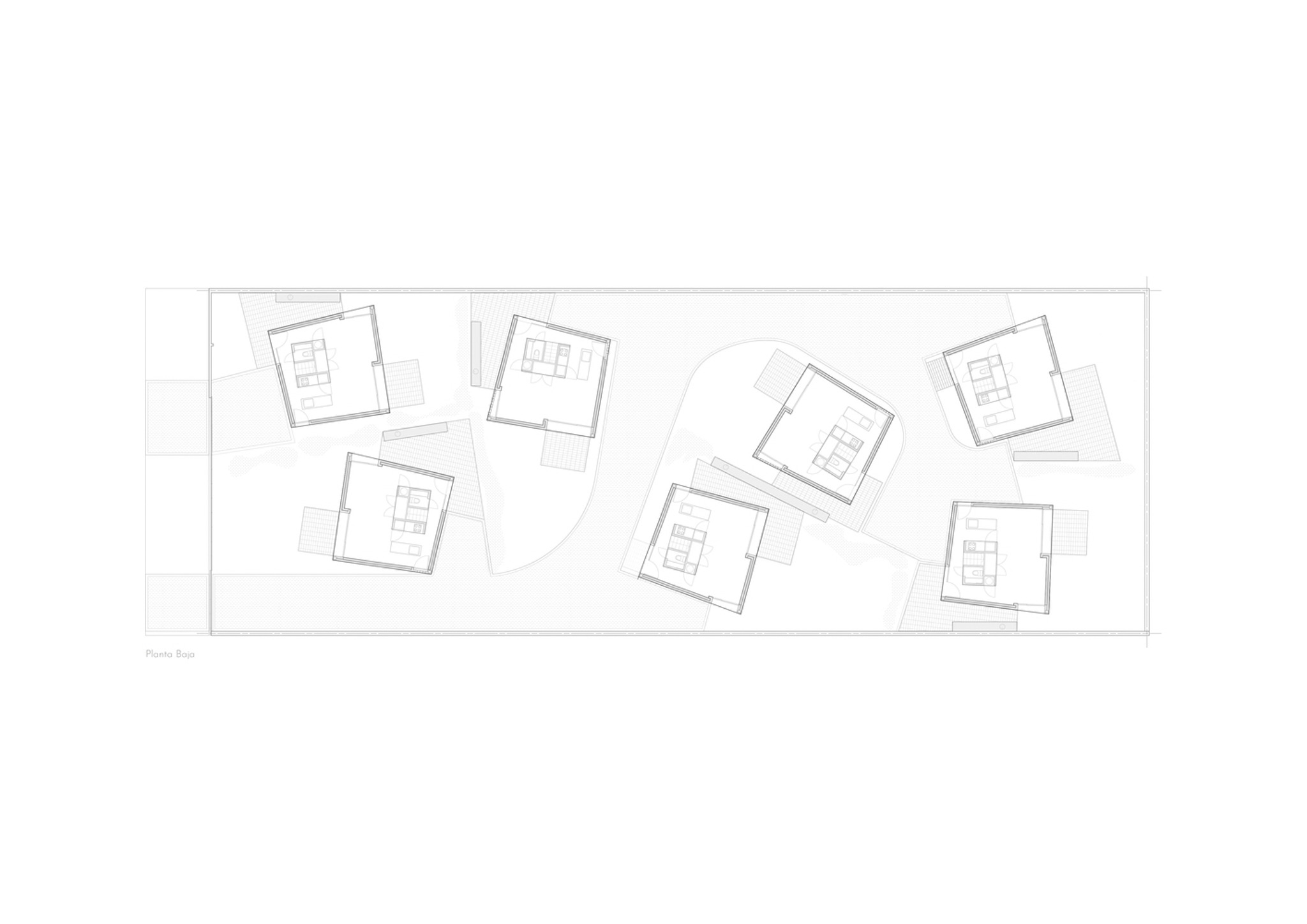
The Morrison Building is located in Fisherton, a suburban neighborhood west of the city of Rosario, Argentina, with a history marked by its railway origins and a residential fabric of single-family homes with gardens and sloping roofs.
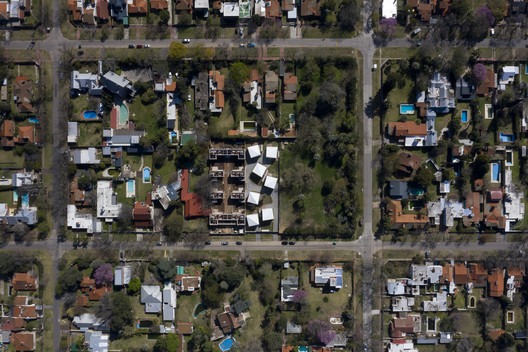
BBOA takes this context as its starting point: far from imposing, it proposes an architecture that responds to the climate, the environment and the need for densification. The project -completed in 2020- groups seven dwellings of 100 m² each, designed to multiply density without sacrificing identity or quality of life.
Recognizable volumes, honest materiality
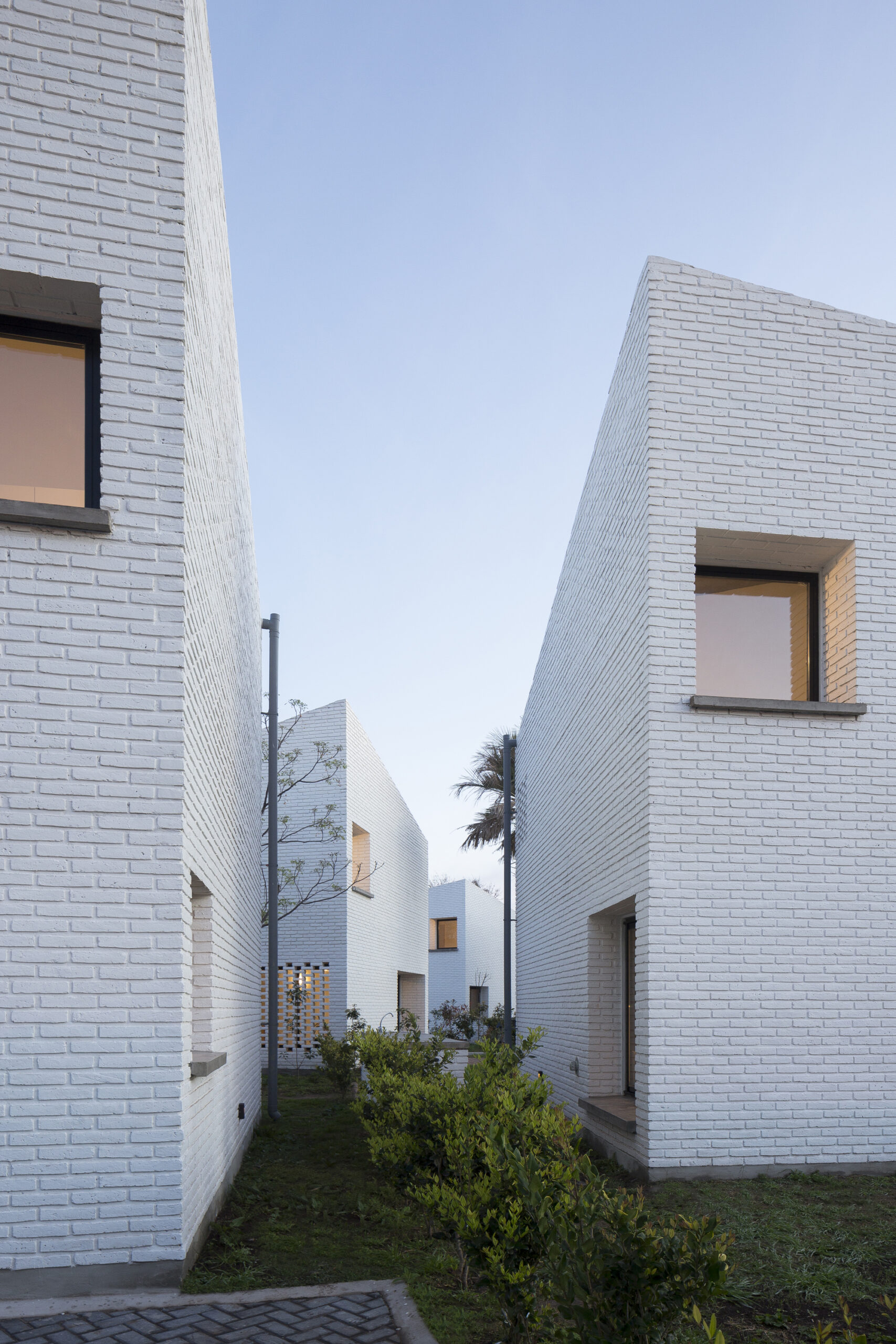
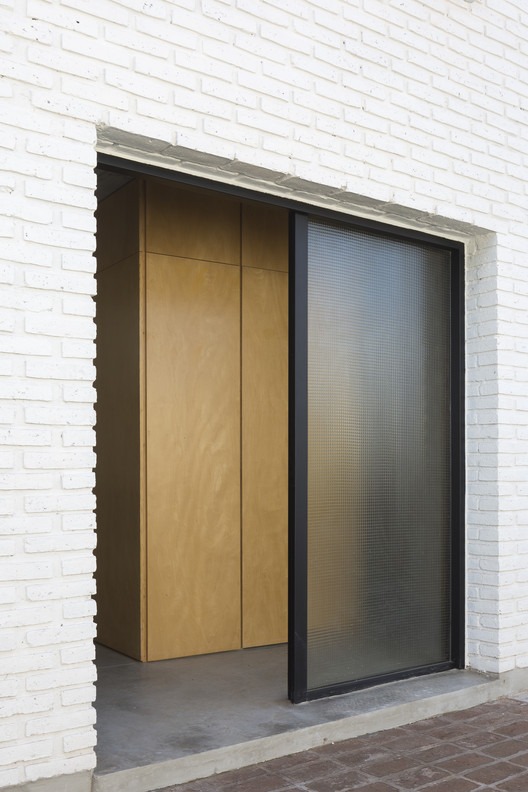
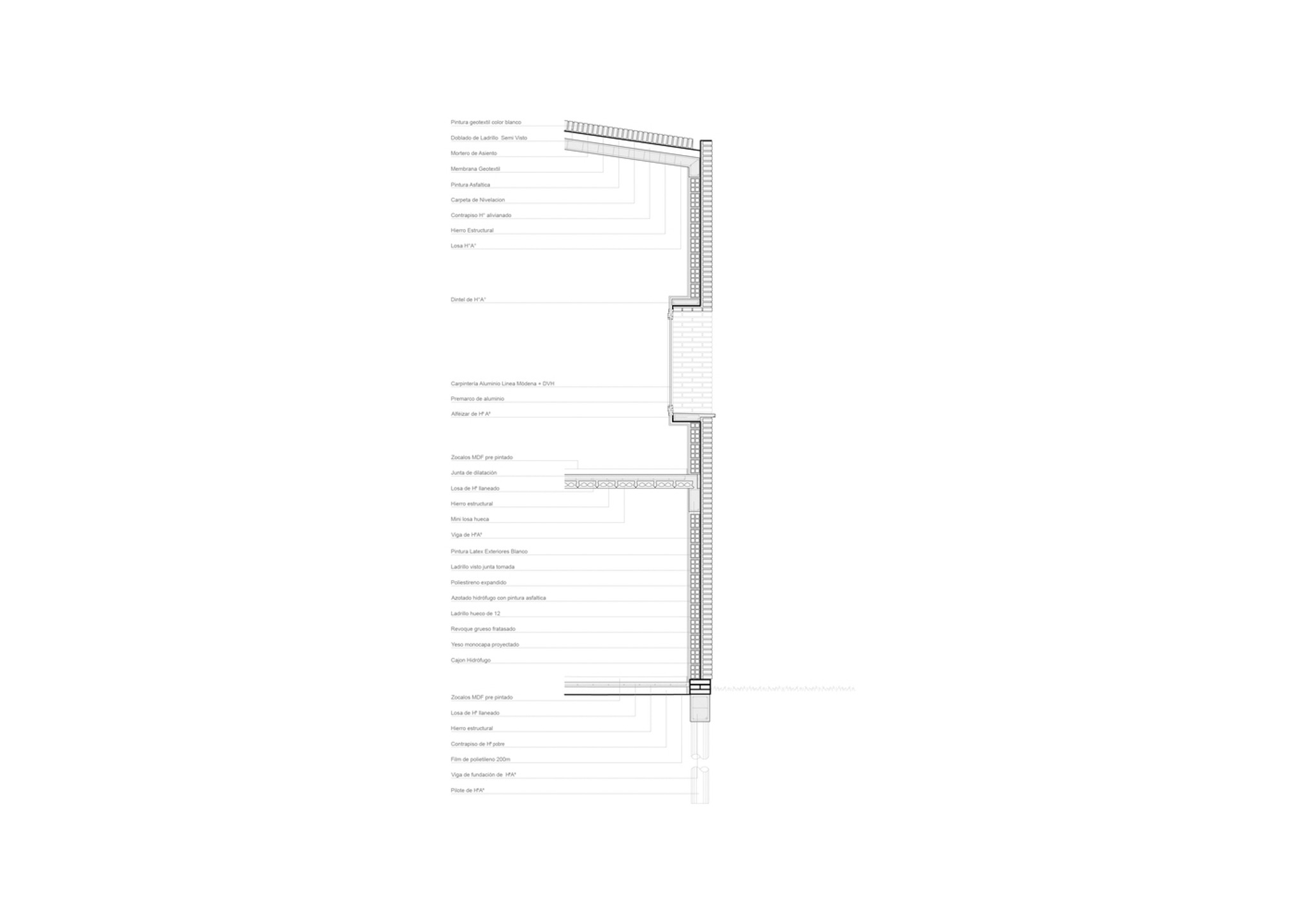
Each unit of the complex maintains the typology recognizable in the area: gable roof, exposed brick walls and modest structure.
This use of brick as the main material responds to a desire for continuity with the local building tradition, giving the complex a formal coherence that dialogues with the neighboring houses, without stridency or abrupt breaks.
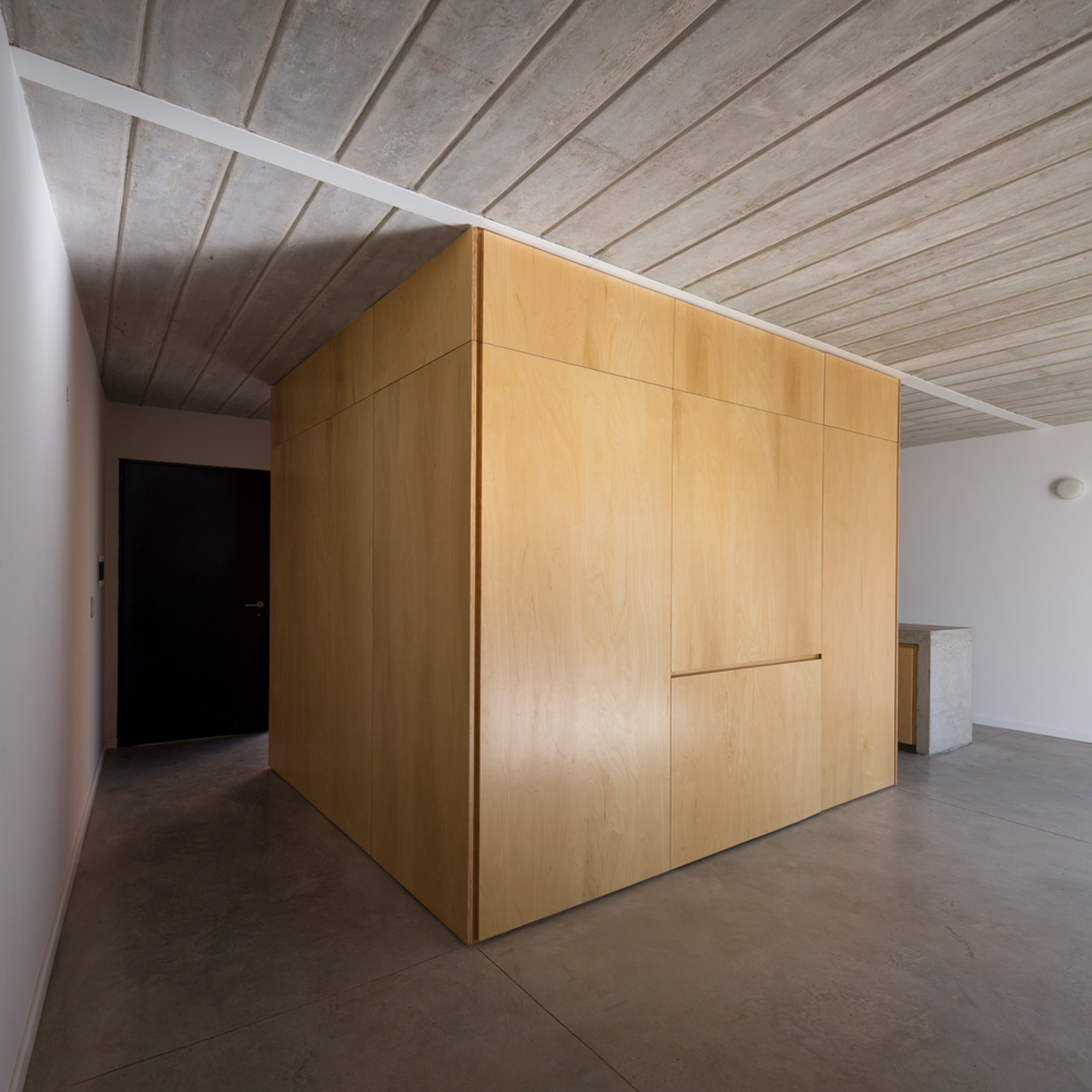
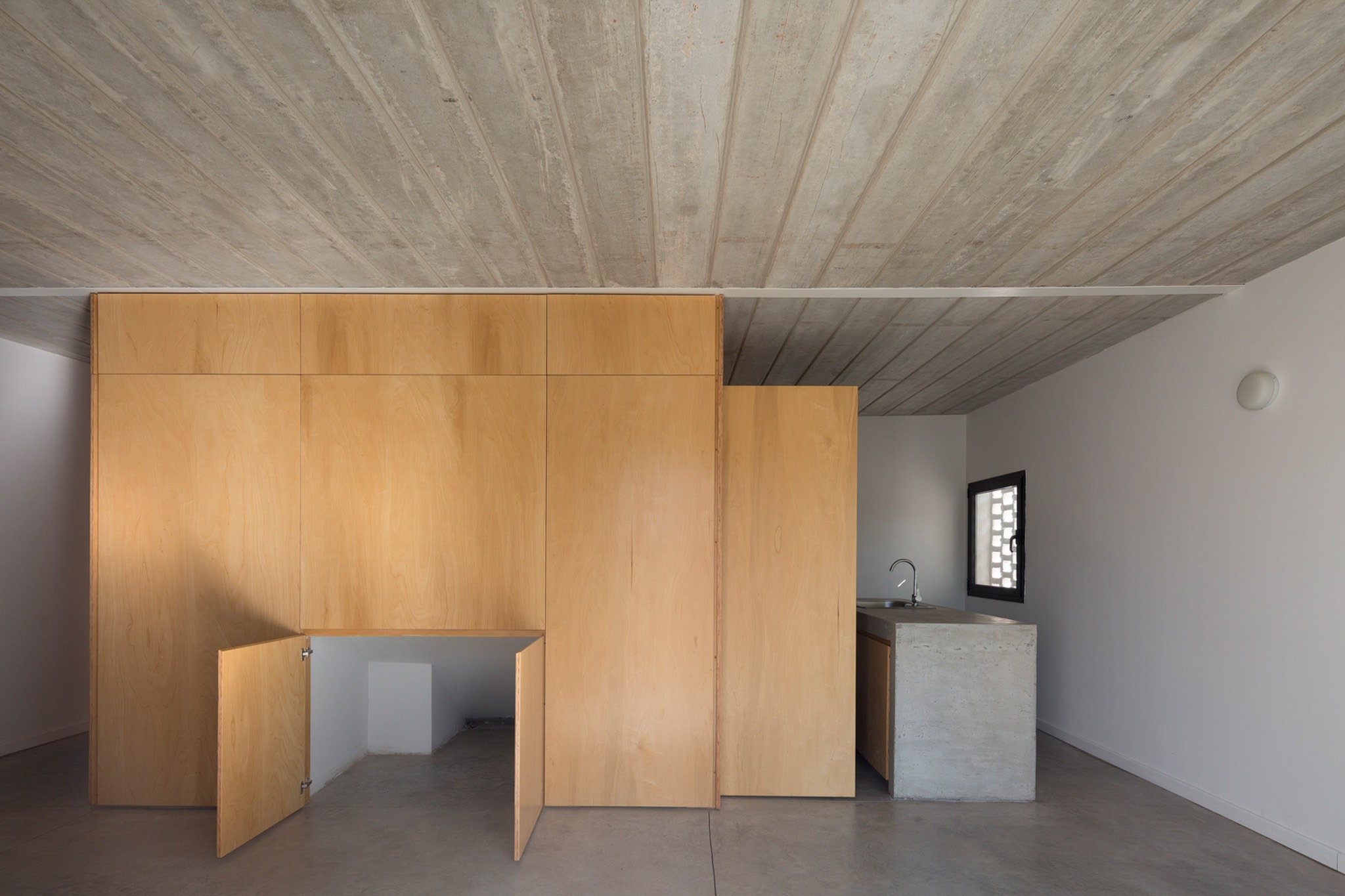
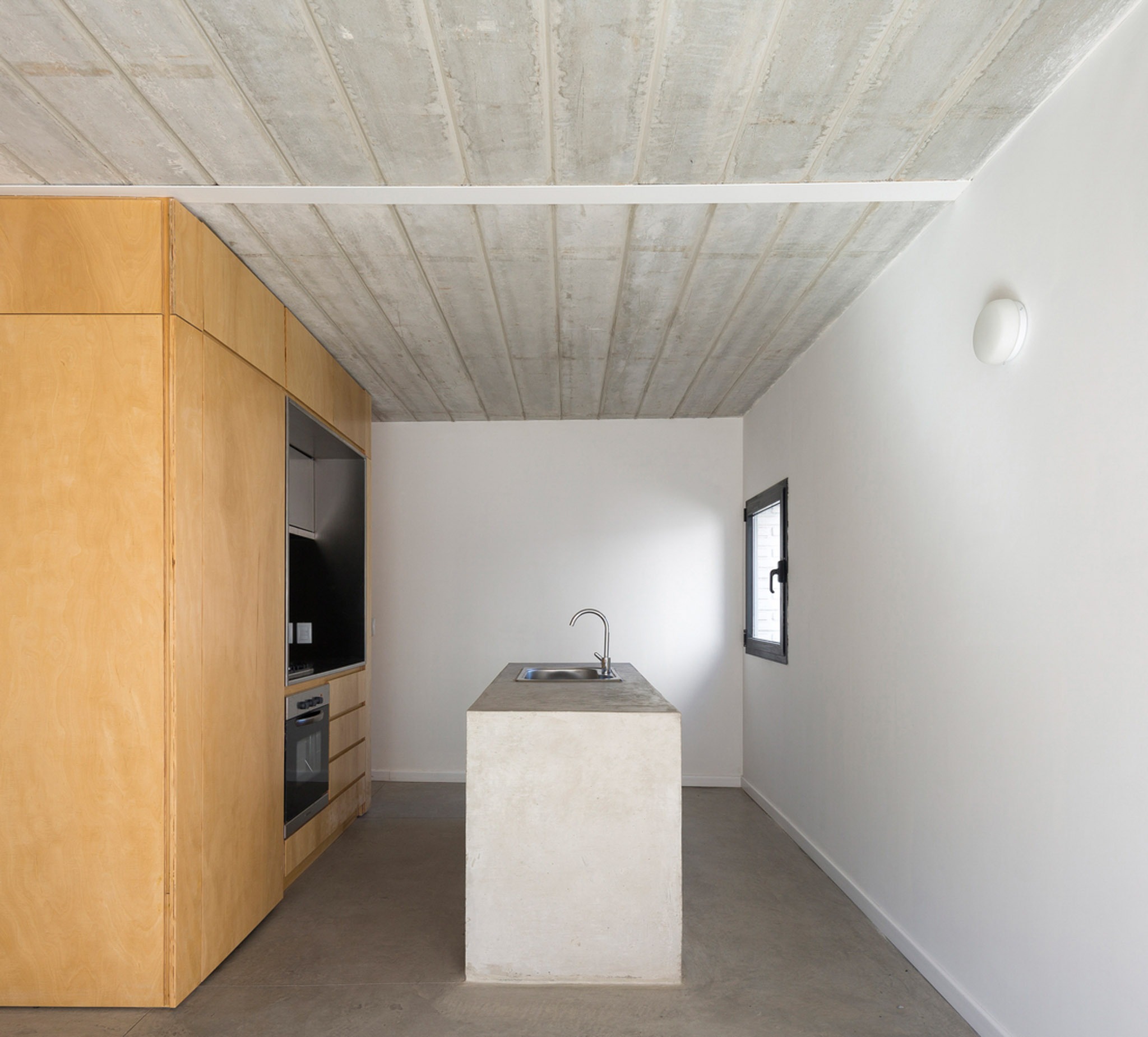
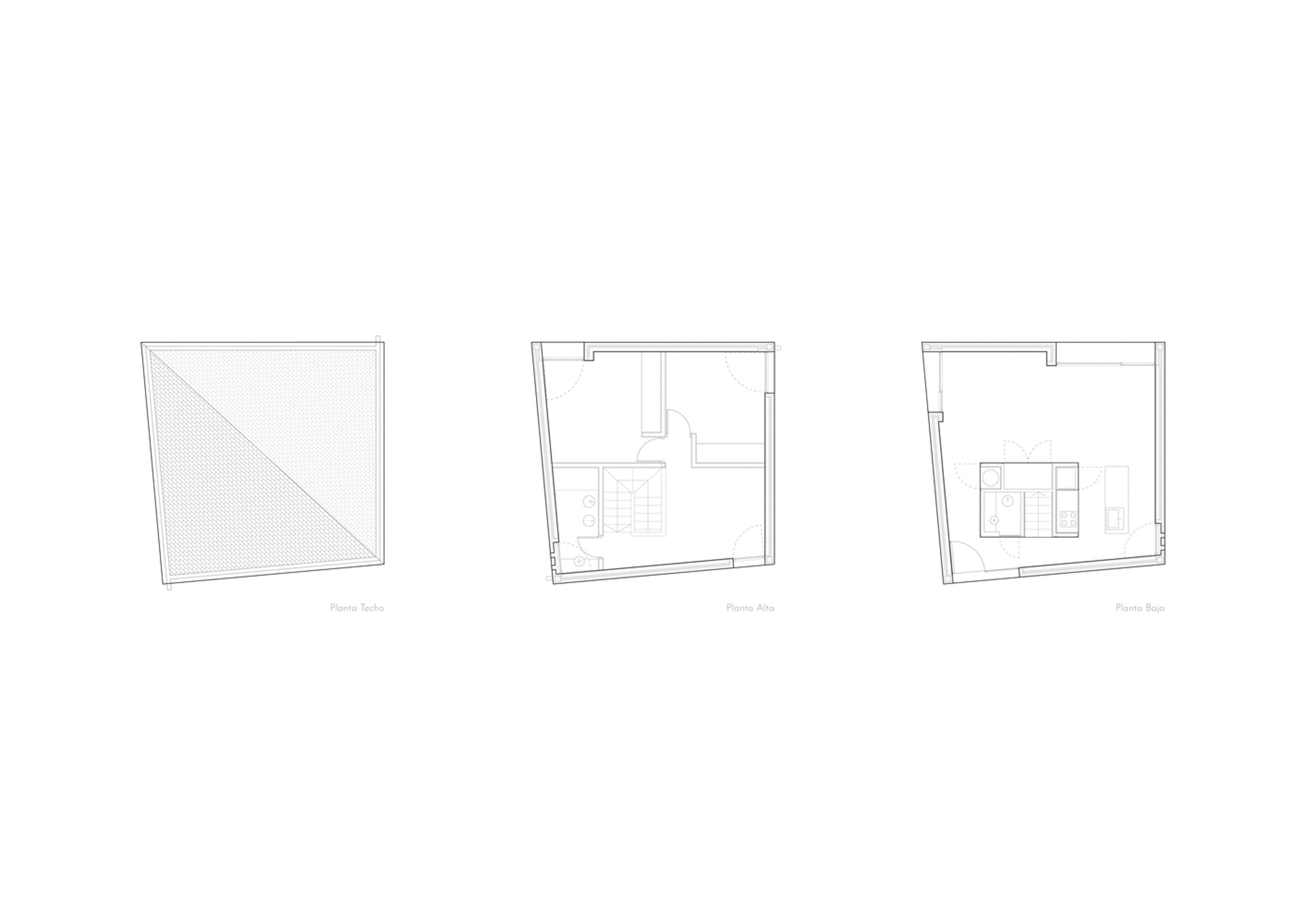
The structure is organized on two floors: ground floor for public spaces, upstairs for bedrooms, articulated through an interior core that concentrates stairs, kitchen and toilets.
Diversity within repetition
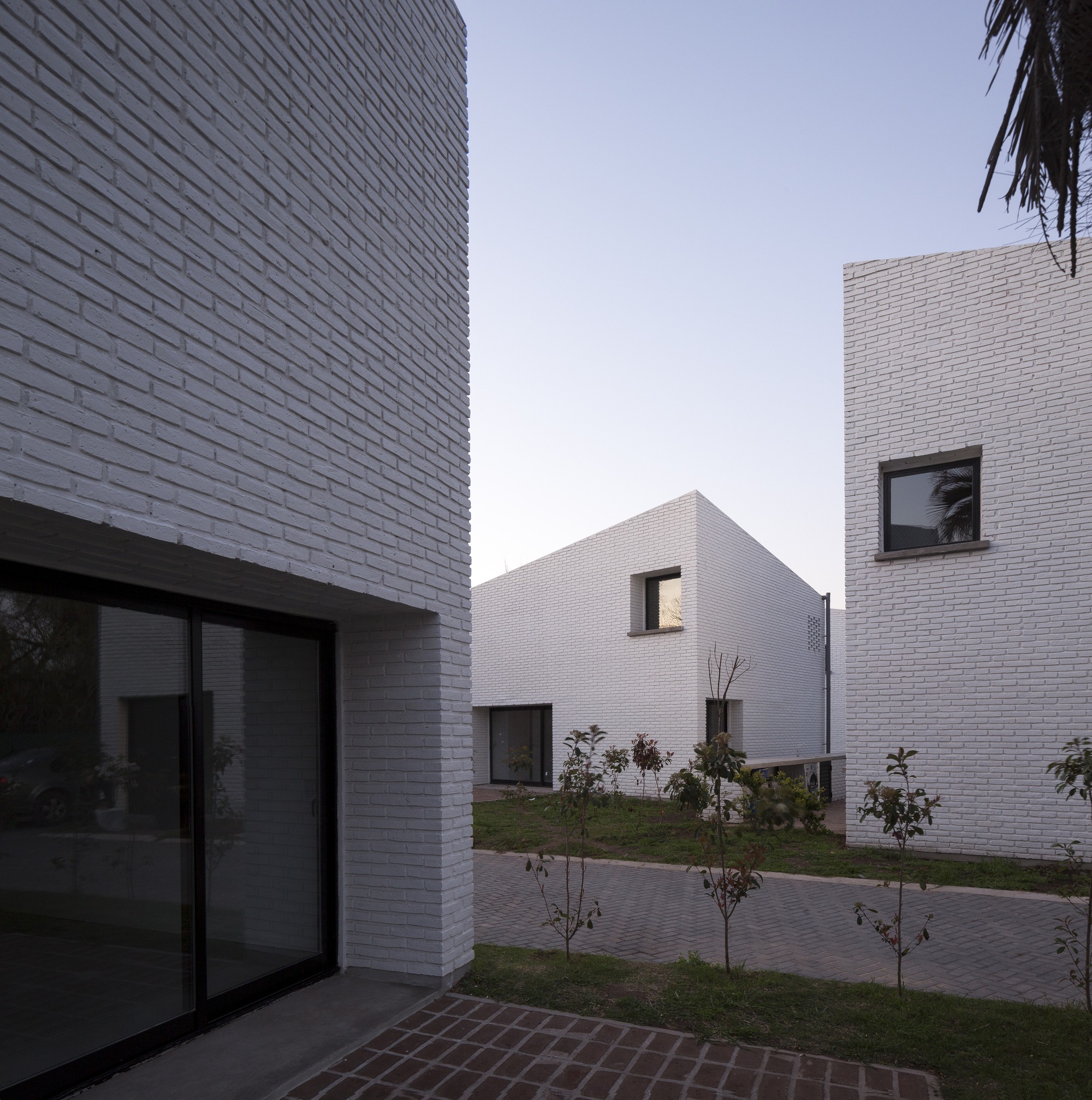
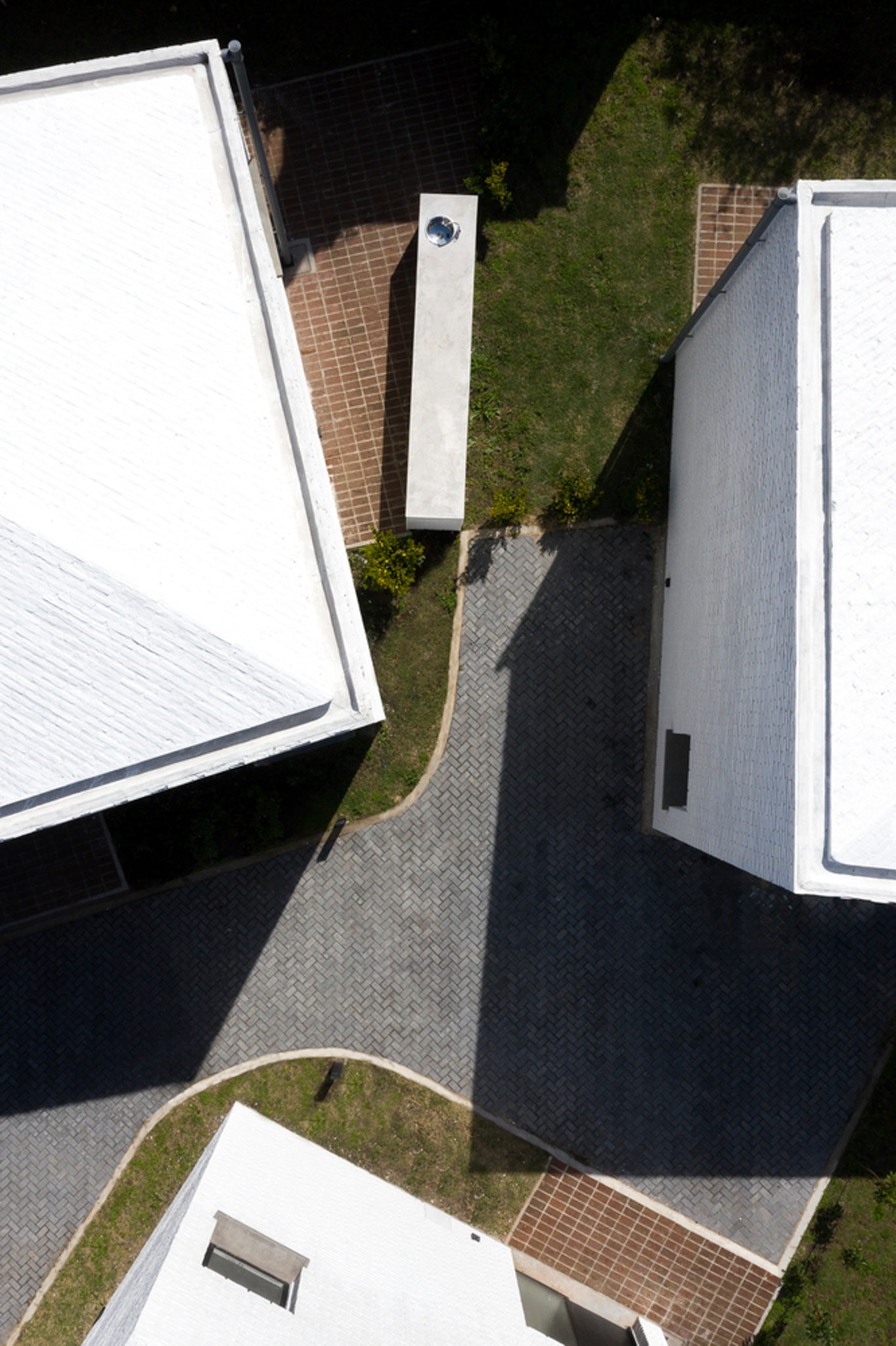
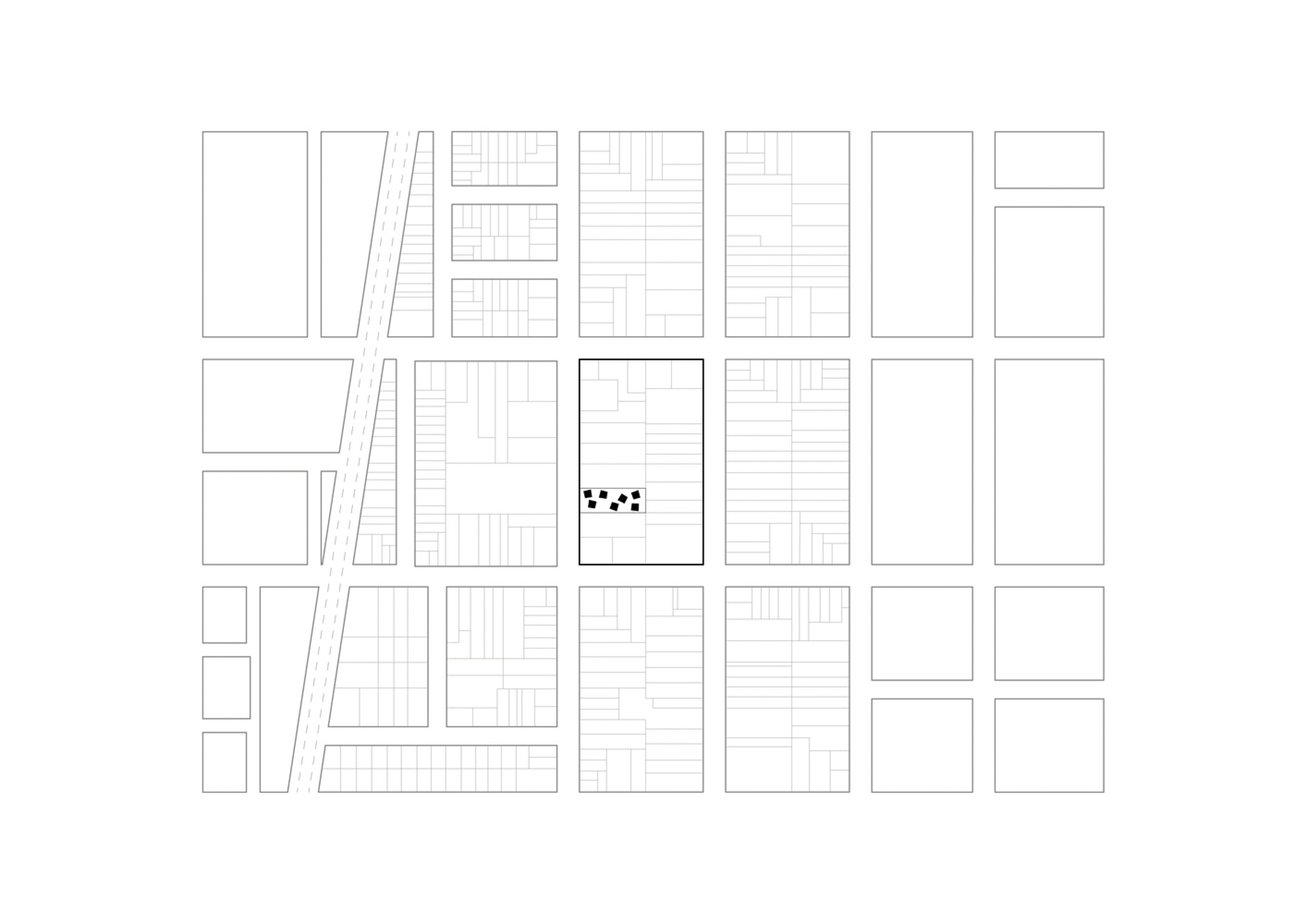
Although the houses share the same program and surface area, BBOA generates subtle variations -rotations, orientations, variations in openings- so that no house is perceived as an exact copy of another. This strategy avoids monotony and reinforces the idea of “free perimeter”: all the units have a certain amplitude and visual contact with the exterior.
In addition, the complex is articulated around interstitial spaces: gardens, corridors, courtyards and green areas that reactivate the human scale and offer privacy without isolating.

Tamed interior: comfort on a human scale
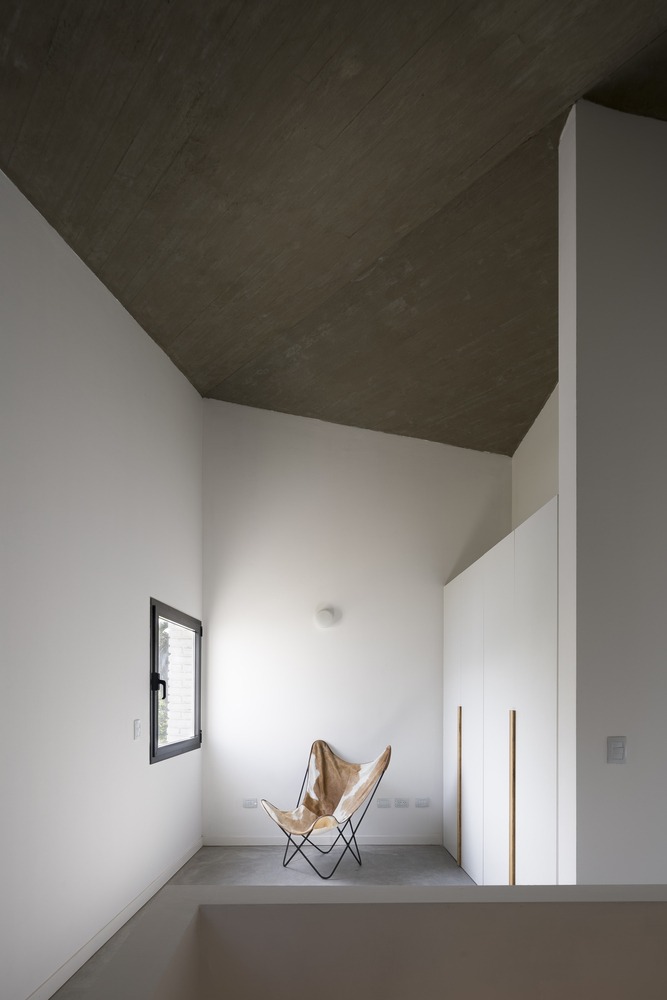
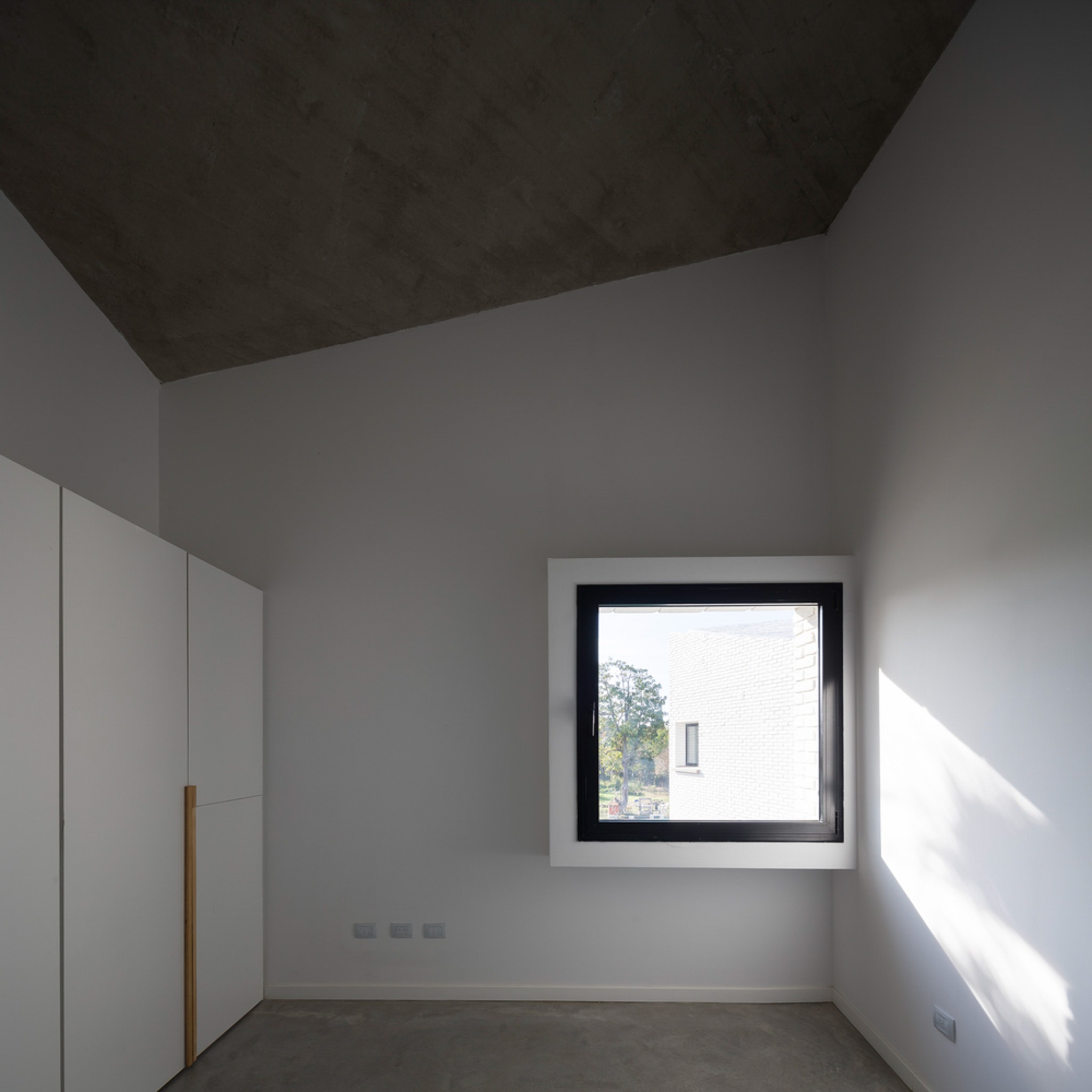
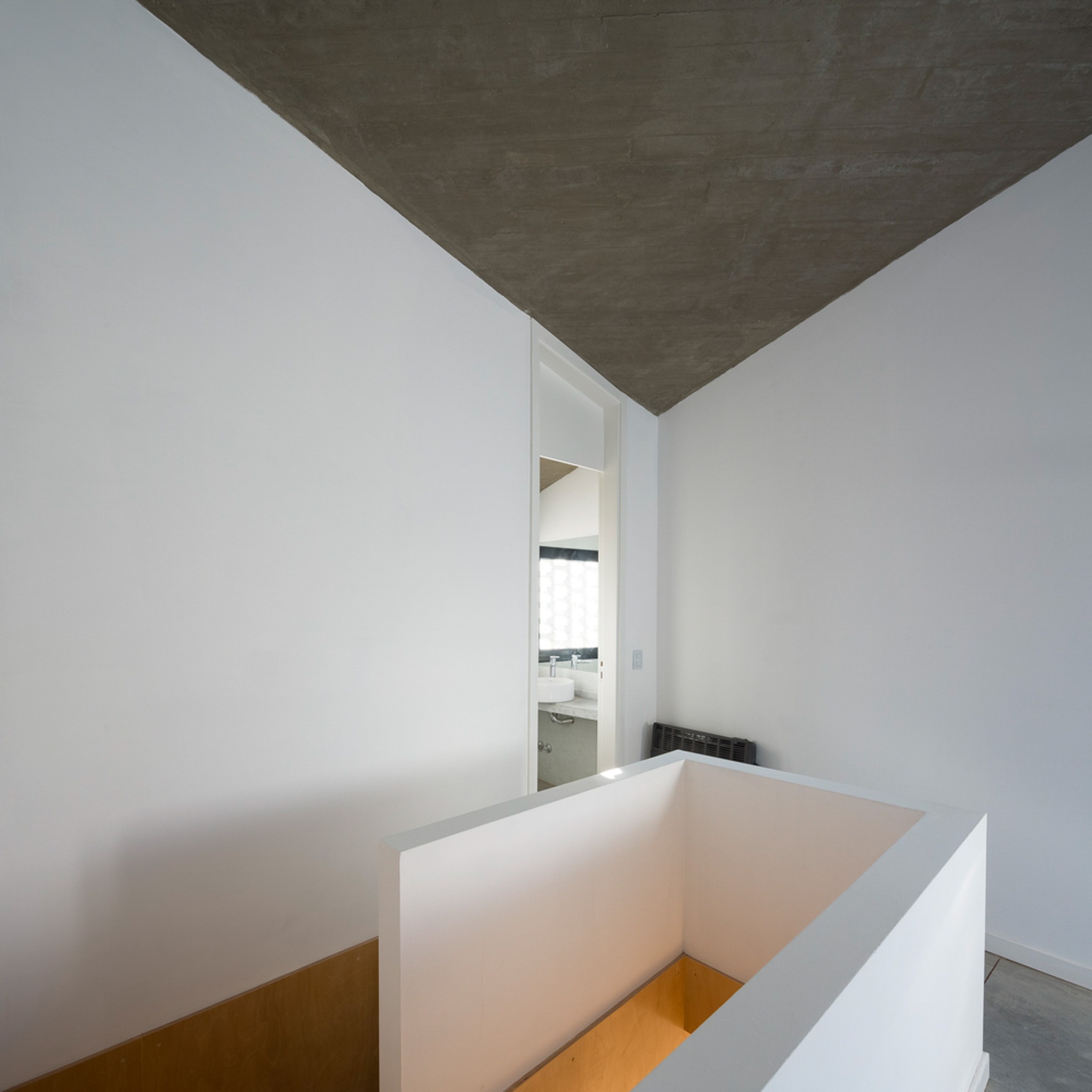
Within each home, the layout seeks uncomplicated efficiency: fluid spaces, well-lit rooms, adequate ventilation and sober materials. The use of brick, wood and woodwork in neutral tones reinforces a durable and discreet aesthetic.
The houses do not seek spectacle -there are no large volumes or artifice-, but rather well-measured simplicity: a conscious domestic proposal that understands that the house, before being exhibited, must accommodate life.
Responsible density, preserved identity
The main challenge of the project was to densify a plot without losing the qualities of a suburban neighborhood: vegetation, visual permeability, residential identity. BBOA solved it by maintaining the scale of the houses, respecting the local aesthetics and generating common spaces that reinforce the community.
Thus, the Morrison Building demonstrates that increases in density should not imply a loss of spatial quality or urban coherence. On the contrary: they can be an opportunity to redefine the collective without renouncing the domestic.



If you want to know more projects like this one, enter our Journal to keep up to date with everything.