House on the Air: when suspending the house redefines the floor
- Architects: TDA
- Photography: Federico Cairoli
- Project team: Sergio Fanego, Larissa Rojas, Miguel Duarte
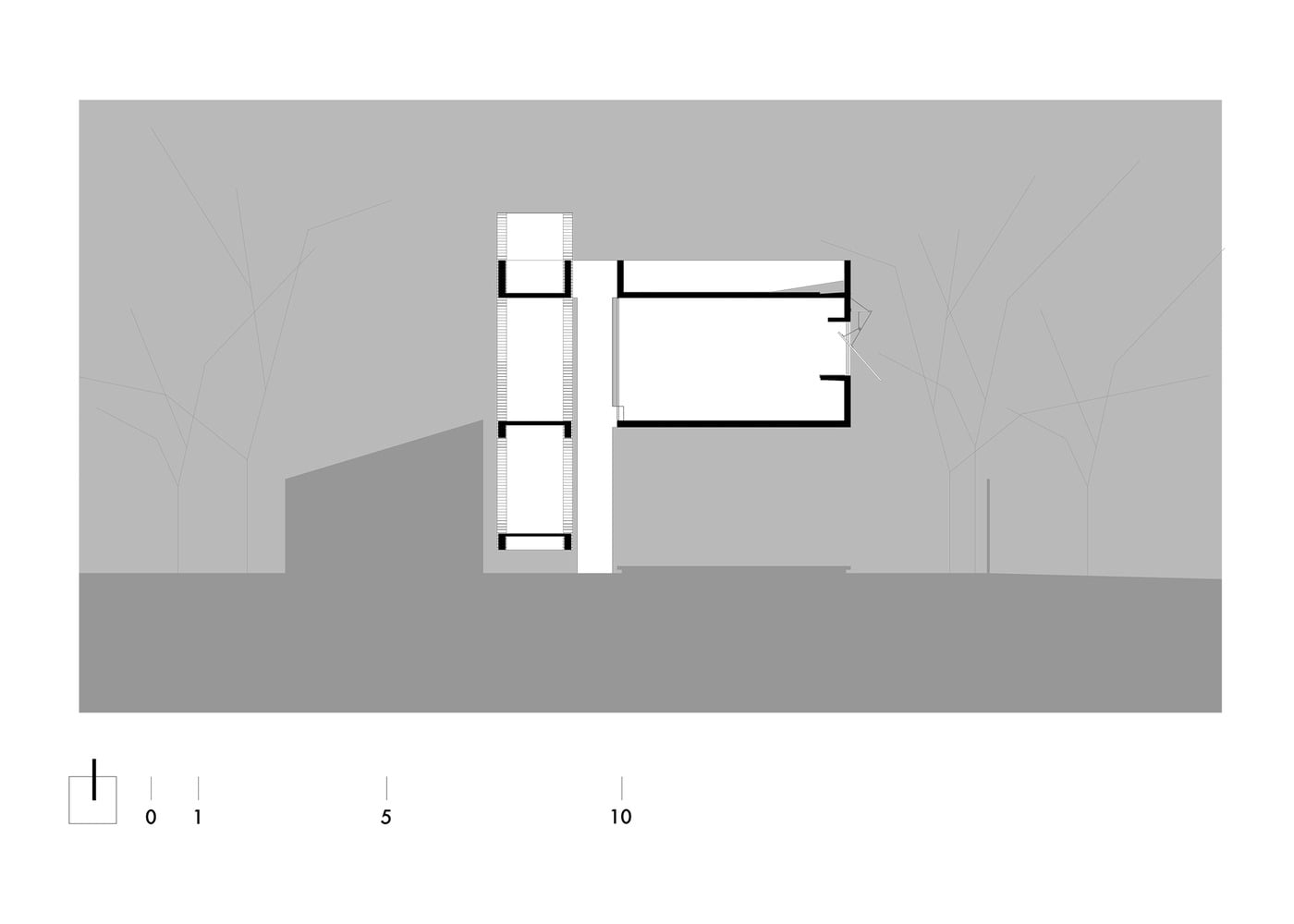
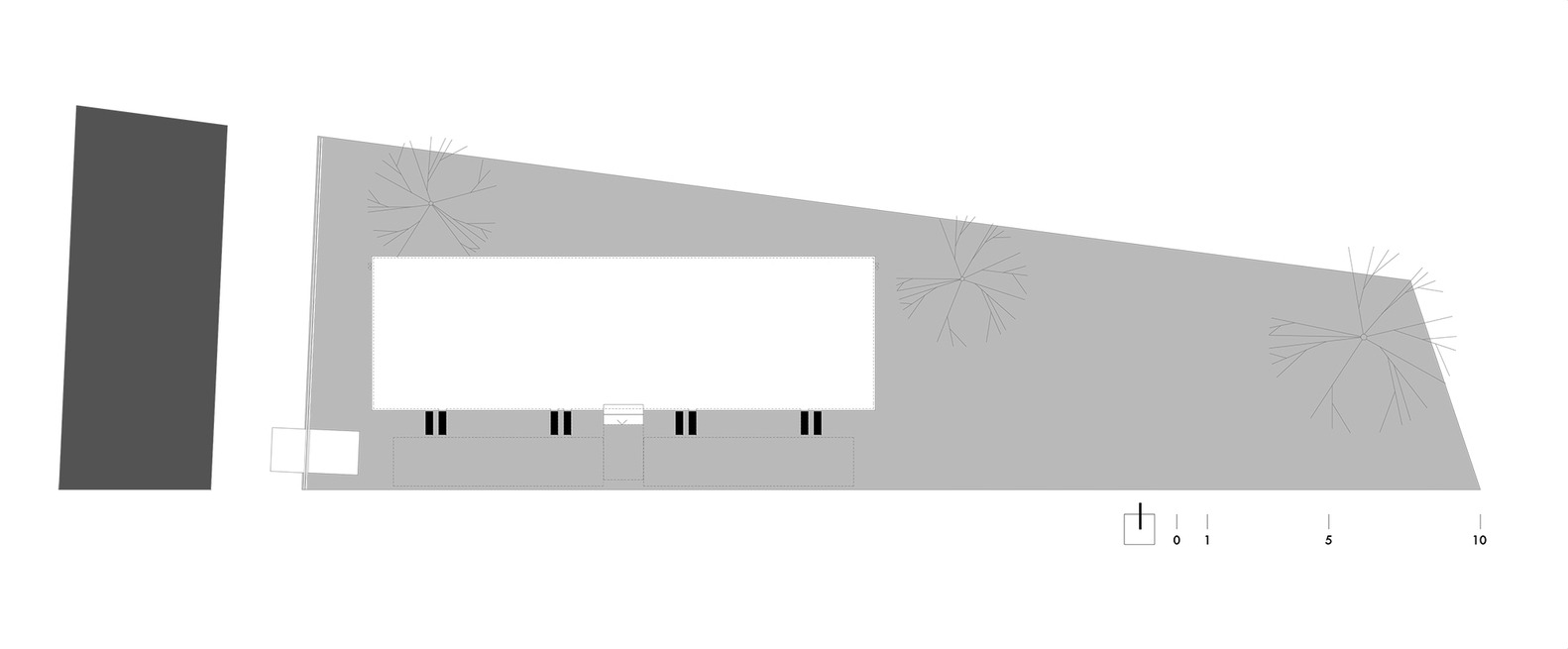
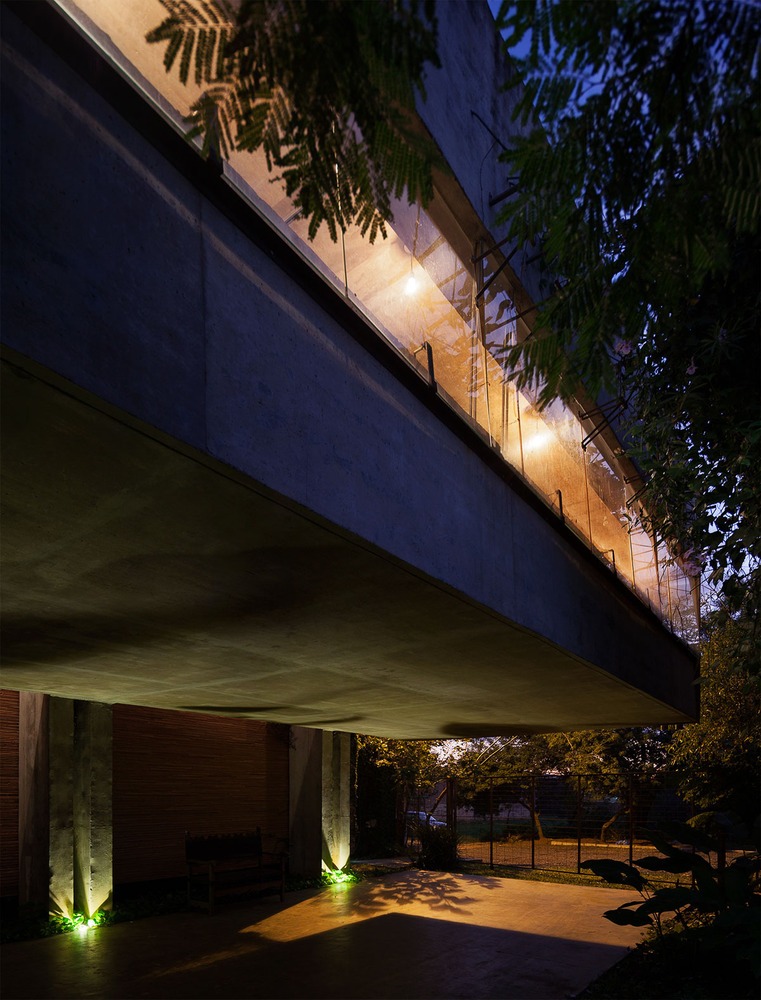
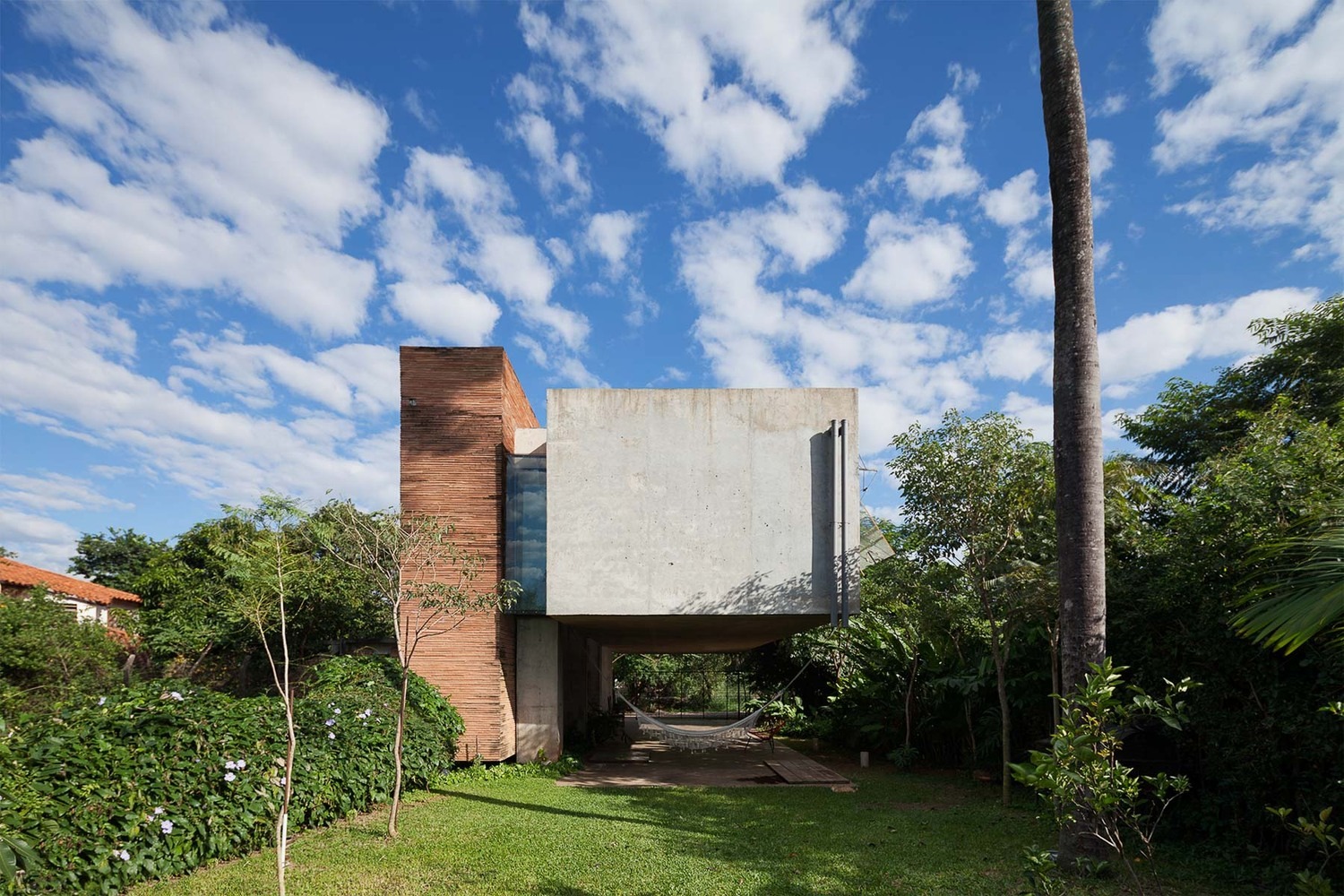
Casa en el Aire, a work of TDA in Luque (Paraguay), breaks with the conventional idea of occupying the ground. Built between 2008 and 2010, the house rises 2.80 m above ground level, leaving the plot -a surface area of almost 420 m²- practically free. Only four pairs of pillars support a volume that “floats”, minimizing the footprint on the ground.
This gesture is not gratuitous, but profoundly strategic: it responds to a context of extreme weather – intense heat in summer, cold winds in winter – and even to a tight economy. TDA turns this limitation into a virtue, using the suspension to optimize ventilation, shade and weather protection.

Lightweight structure, conscious architecture
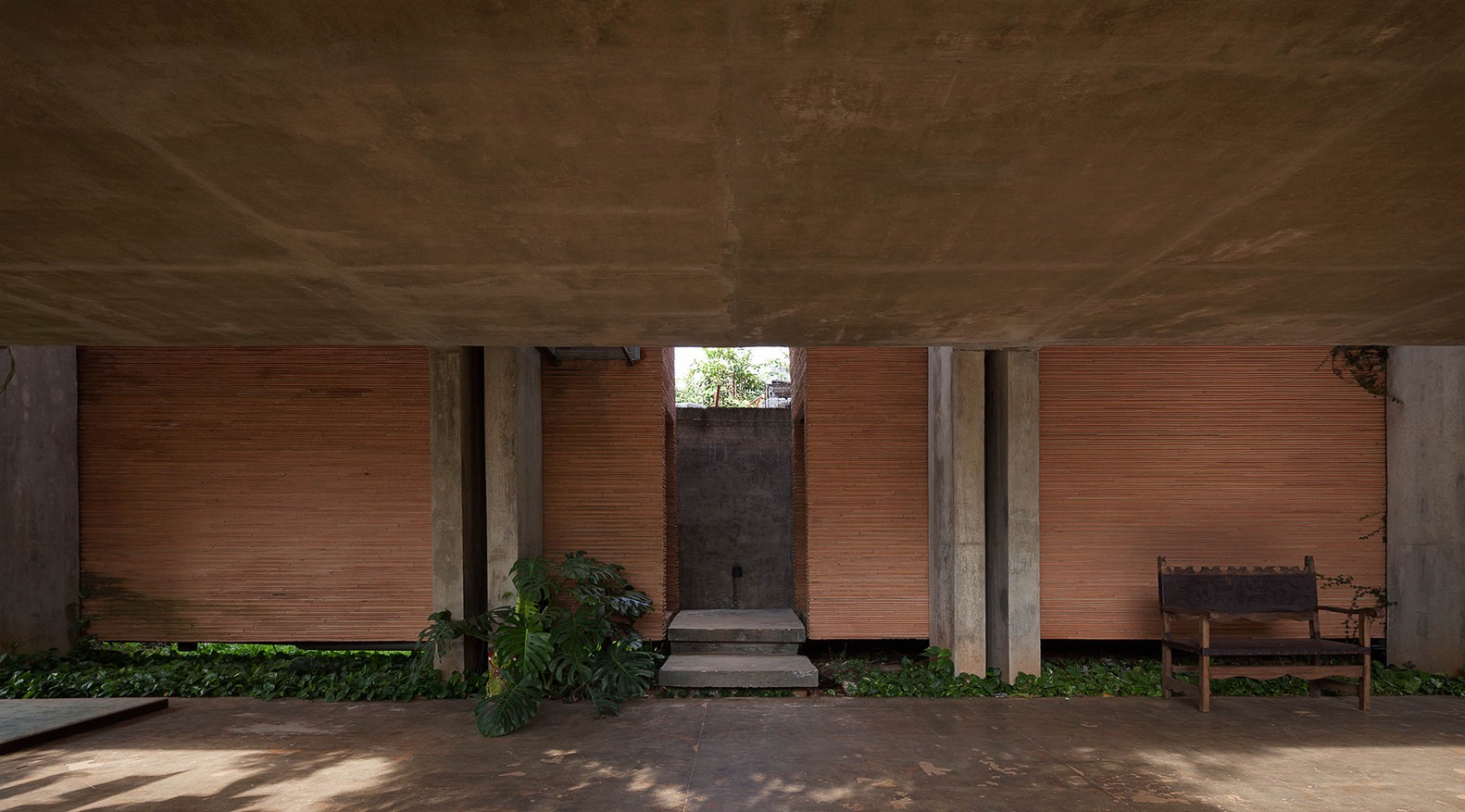
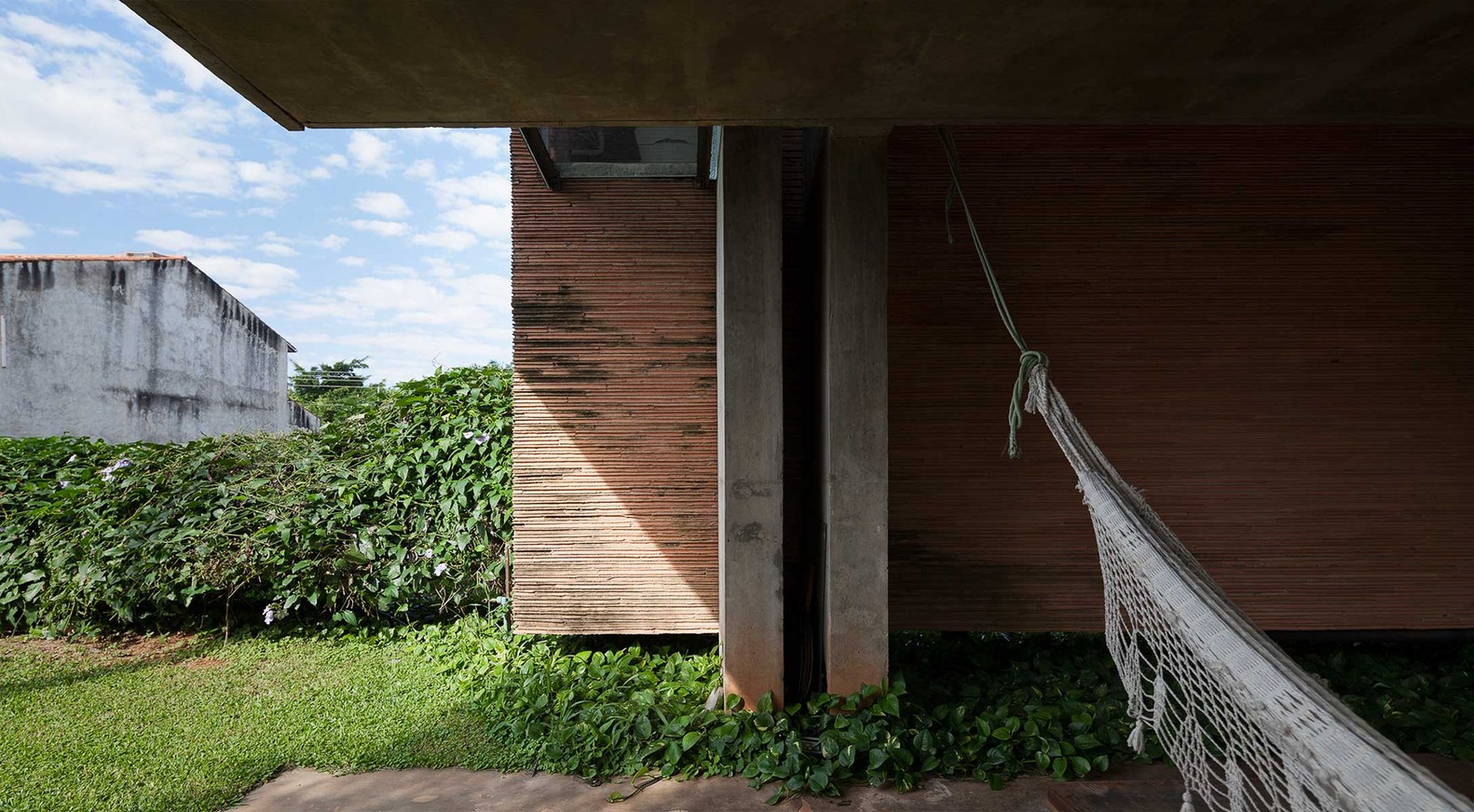
The main body of the house stands almost like a balance: an opaque volume -with kitchen, toilets, staircase- counterbalances the suspended living space. This structural decision frees the land: it allows the garden, the air, and the vegetation to occupy the space under the house.
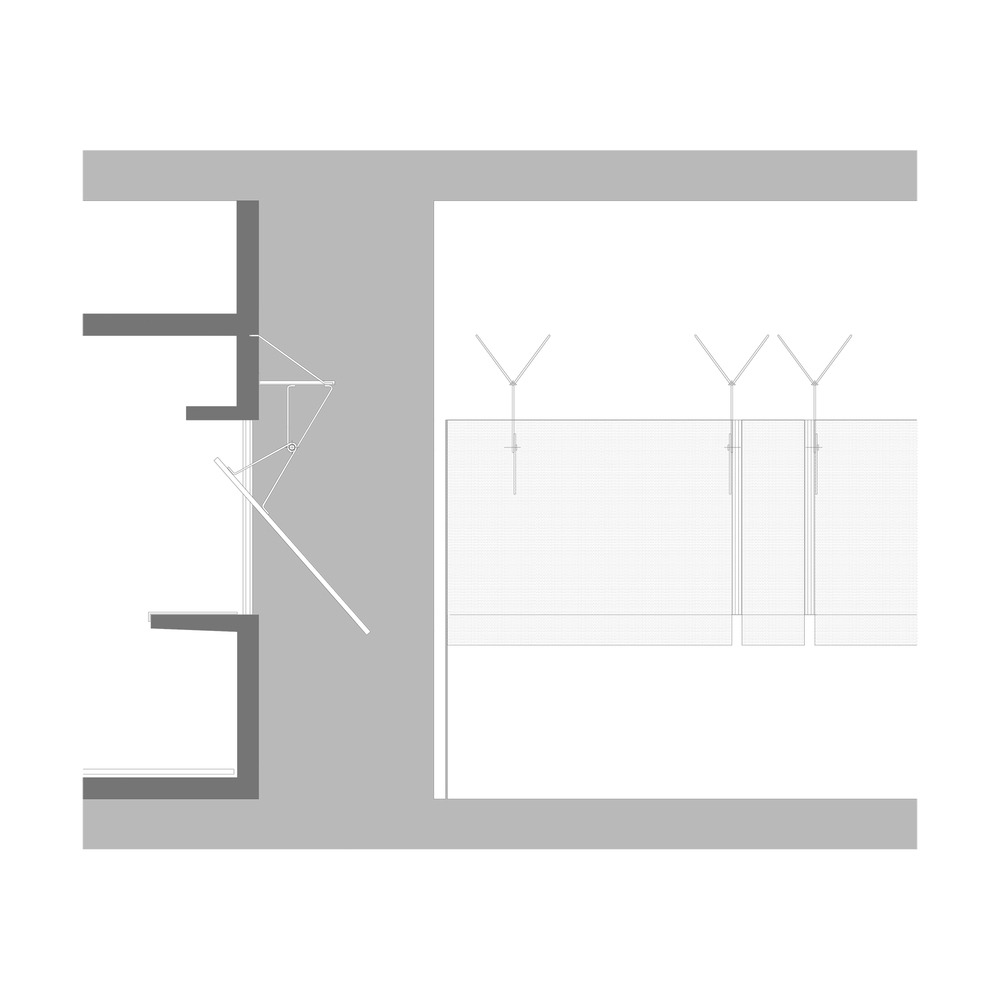
The suspension is achieved by means of metal turnbuckles and a minimal structure: suspended slabs, very concrete supports, and an engineering logic that transforms the apparently precarious into robustness.
This method demonstrates that austerity of resources is not synonymous with spatial sacrifice, but rather with design creativity. The house ceases to be an isolated object; it becomes an object that dialogues with the soil, the climate and the real conditions of the environment.
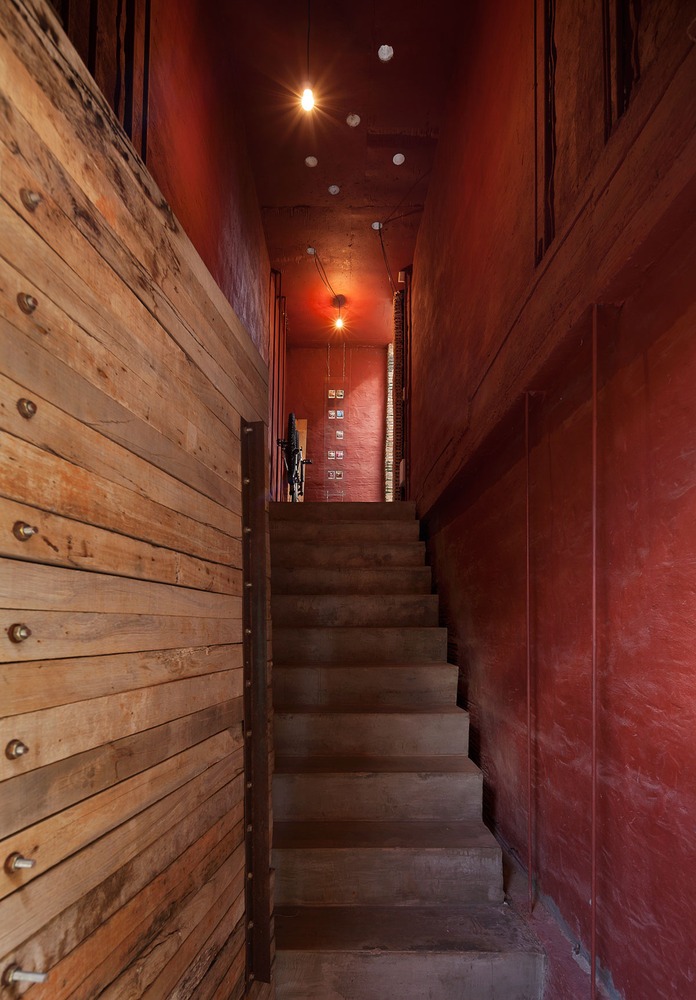

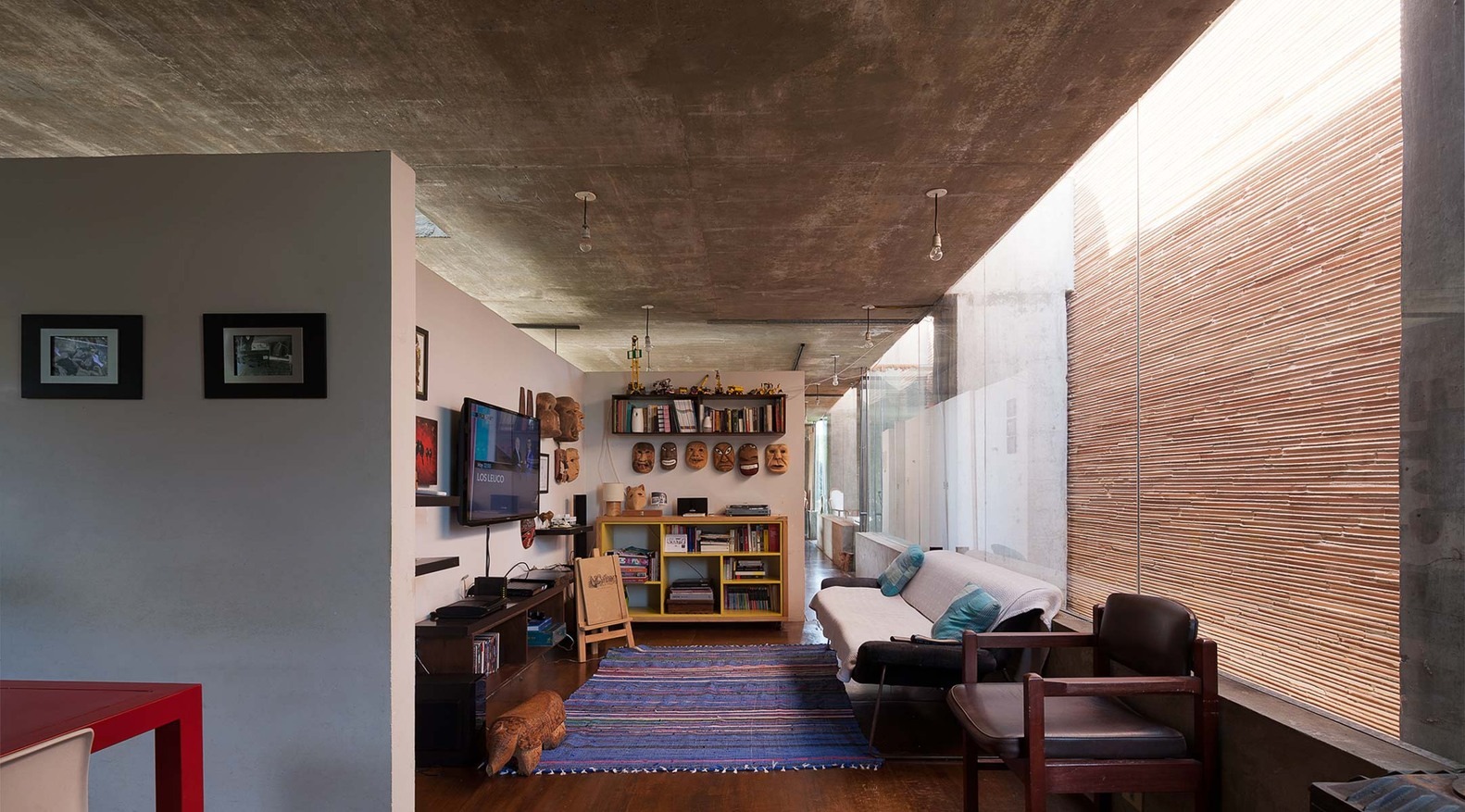
Open spaces, ventilation and natural light
The first floor acts as a covered gallery, social space, garage and free transition area. This open space allows the wind to circulate, cool and renew the air, essential in a subtropical climate.
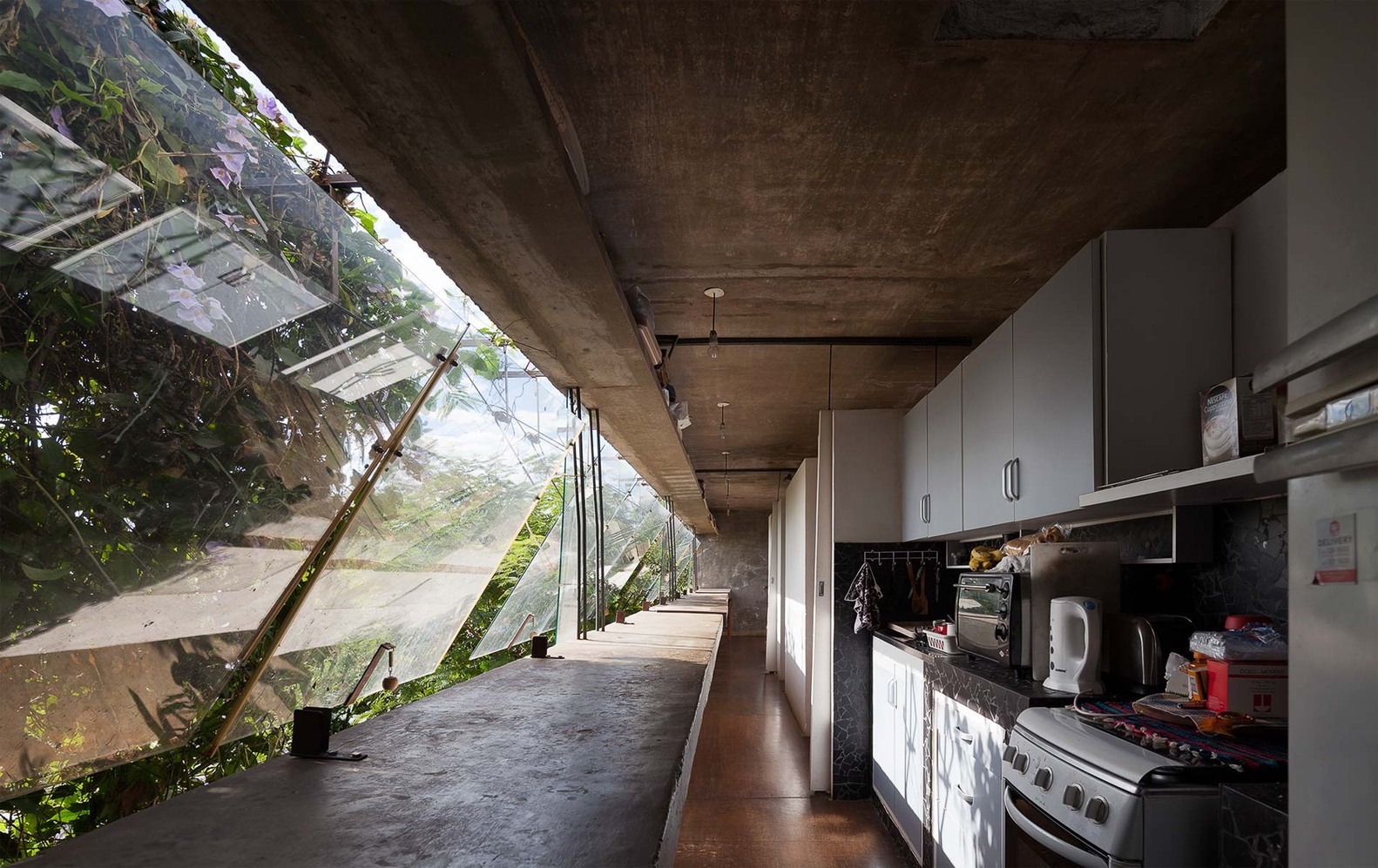
Meanwhile, the suspended blocks house the intimate spaces – bedrooms, living rooms, services. The openings are oriented and designed to favor cross ventilation: the prevailing northeast wind cools the summer, and the elevation protects from cold winds in winter.
Volumetric clarity and the absence of unnecessary walls – together with a functional design – ensure comfort with the minimum of resources. There is no excessive aesthetic pretension: there is pragmatism, climate and dignity.
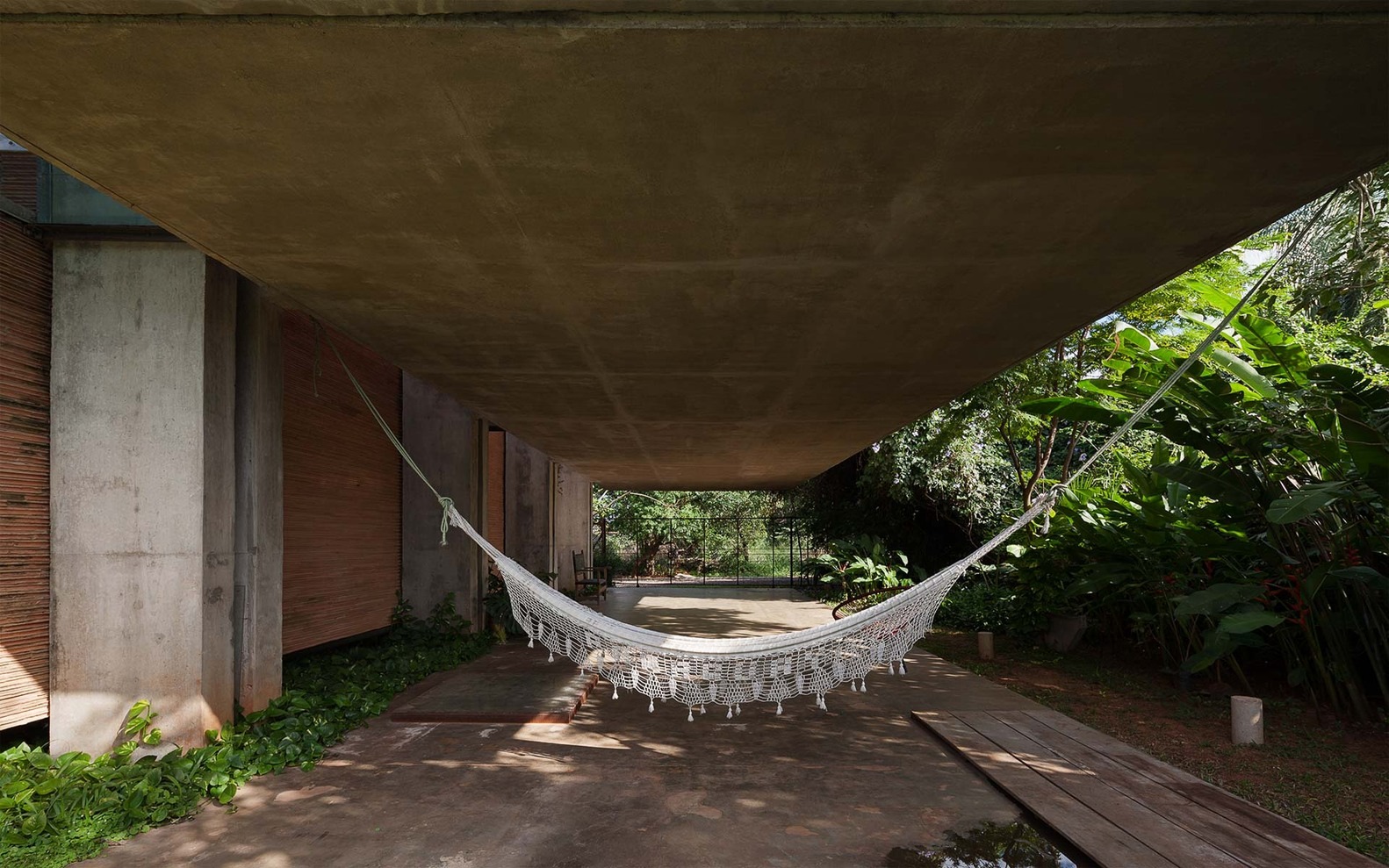
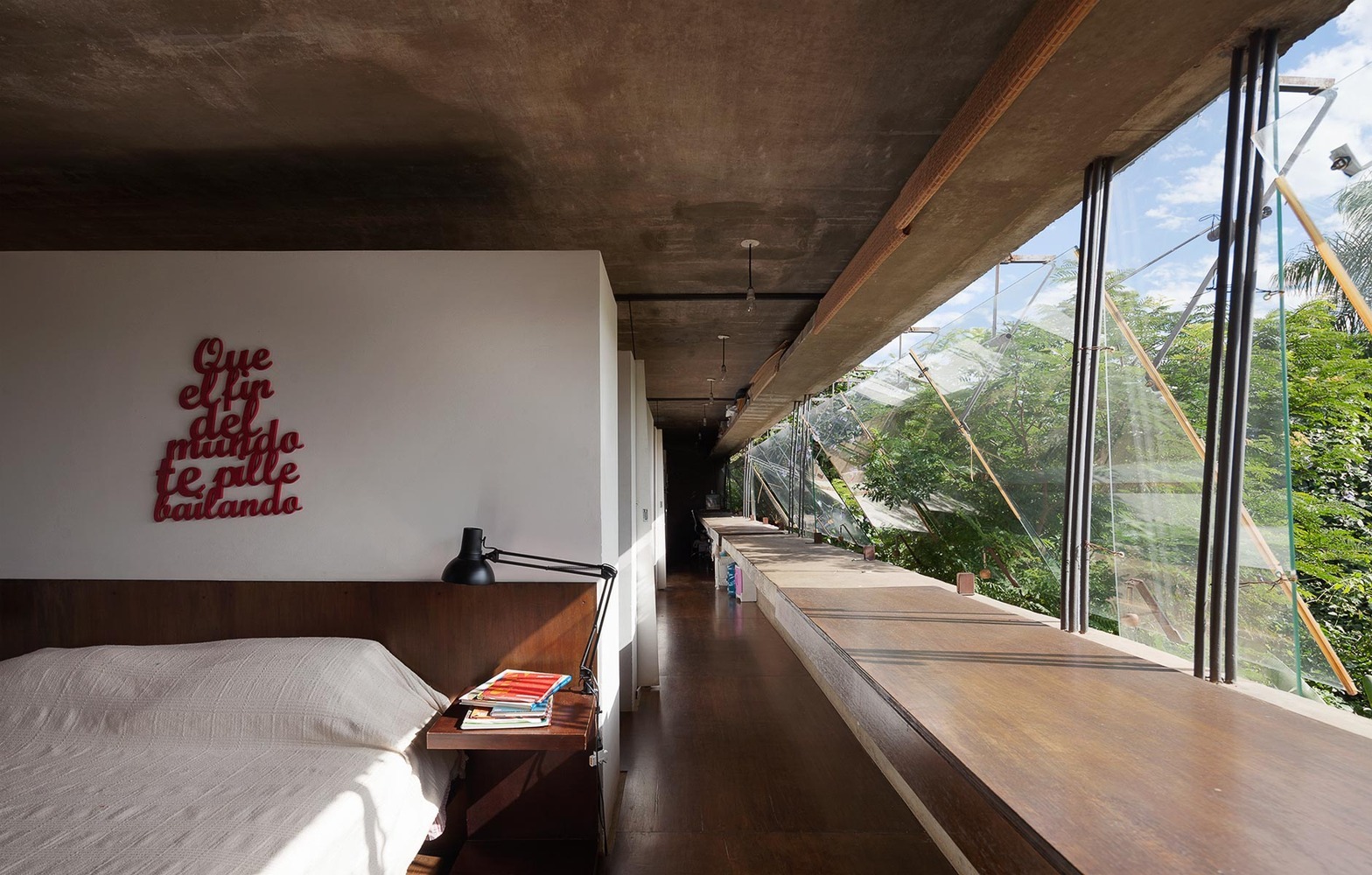

Suspended volume: a metaphor for contemporary habitation
Casa en el Aire is not just a house, it is a statement: it proposes that architecture does not have to take possession of the land to assert itself; it can even suspend itself to coexist with it. It is a vindication of free space, of air, of light.
In times of increasing pressure on the land, this project offers a lesson: architecture can reread the plot, not as an obstacle, but as an opportunity to reinvent the domestic. Suspending the house means freeing the soil, respecting the environment and redefining the relationship between housing and land.
Casa en el Aire demonstrates that, with conscious technique and rigorous design, housing can float without losing substance – a light but firm house; an architecture with soul and economy.